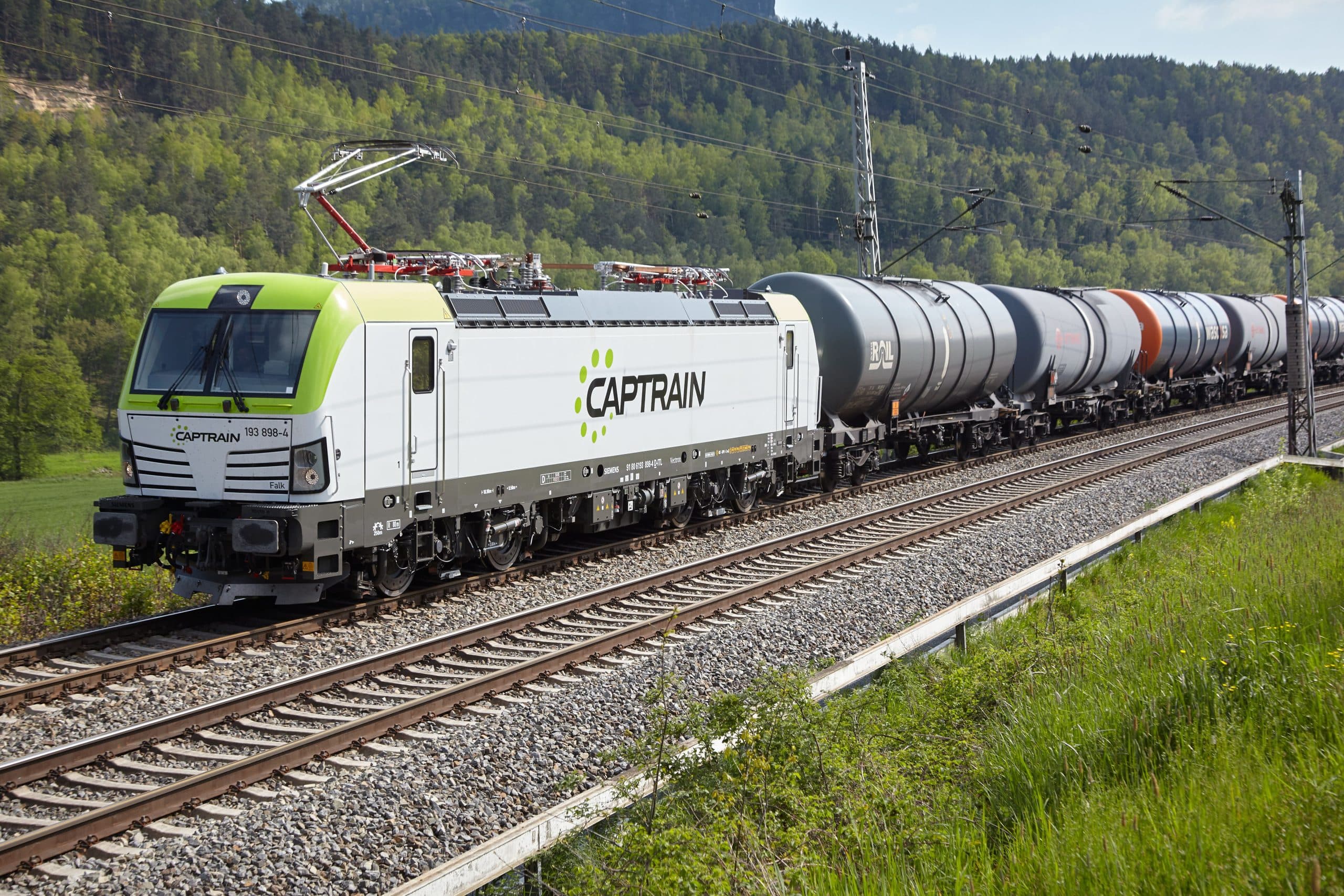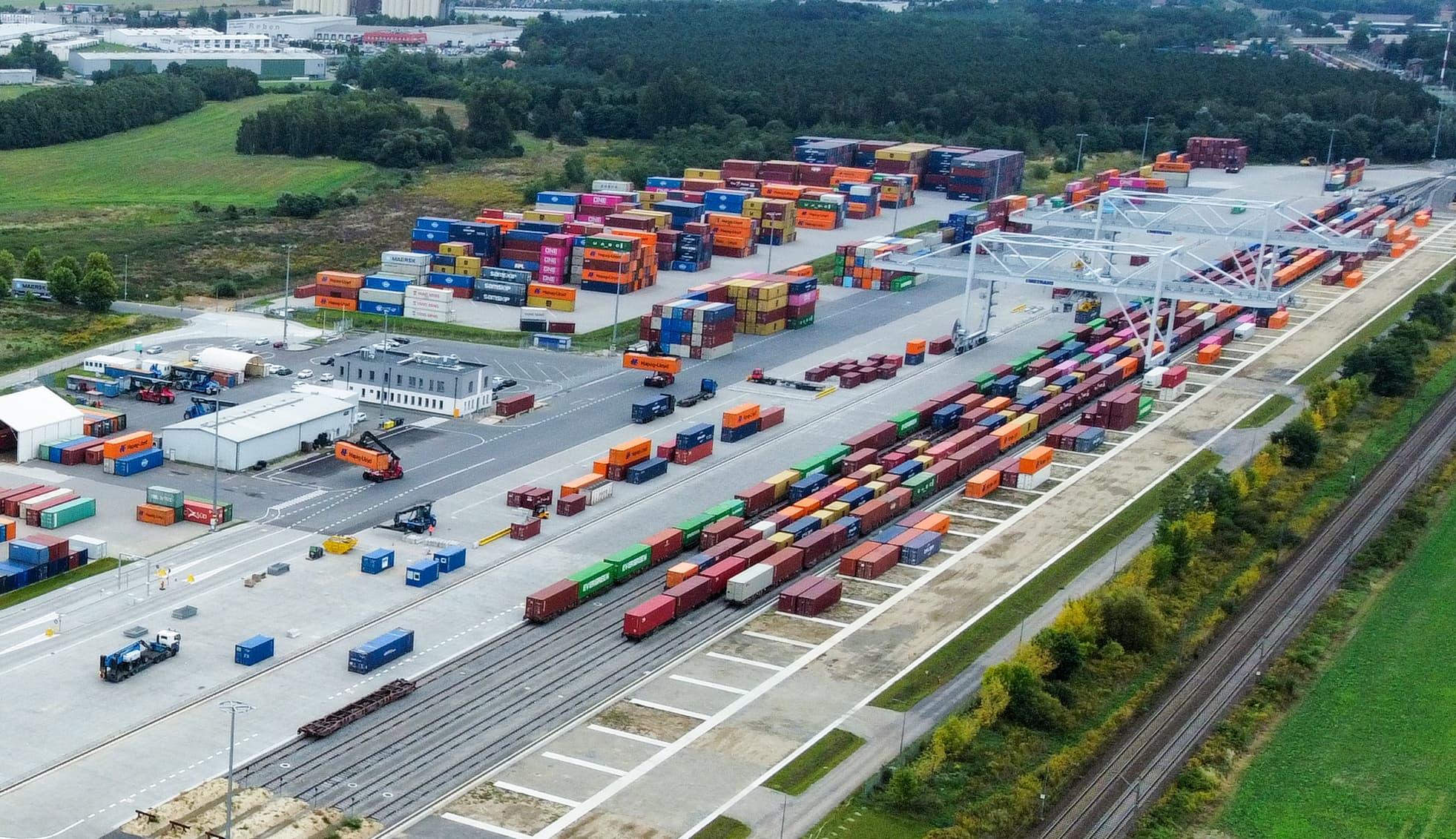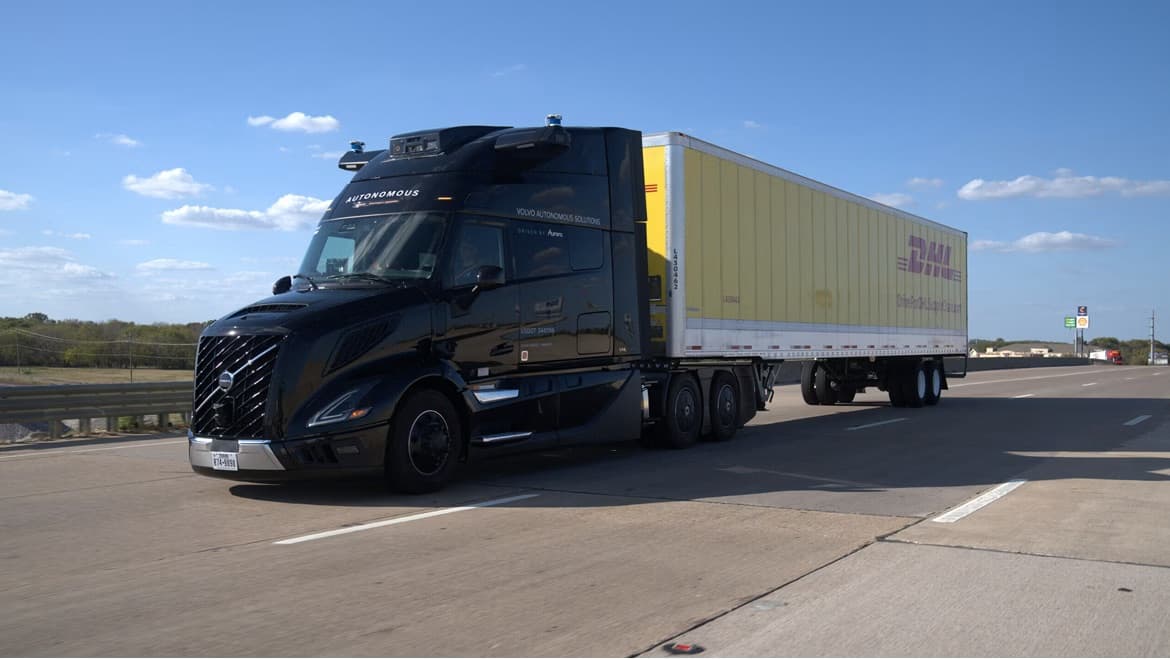
The rail freight industry's objectives for modal shift, aiming to transfer more cargo from road to rail, are at risk if road transport strategies become more efficient and competitive. Experts suggest that while technological advancements in rail are important, the fundamental issues of reliability and overall competitiveness are paramount. If road transport can offer a more rationalized and cost-effective solution, it could potentially attract freight volumes that rail aims to capture.
For freight forwarders and operations managers, this implies that the perceived benefits of rail, such as environmental advantages or long-haul efficiency, might be overshadowed by the practicalities and cost-effectiveness of road transport. If road infrastructure and operational strategies improve significantly, it could lead to increased reliance on trucking for various shipment types, potentially impacting lead times and pricing for rail-based intermodal solutions. Forwarders may need to reassess their modal choices based on evolving road transport efficiencies and rail's ability to match them in service quality and cost.