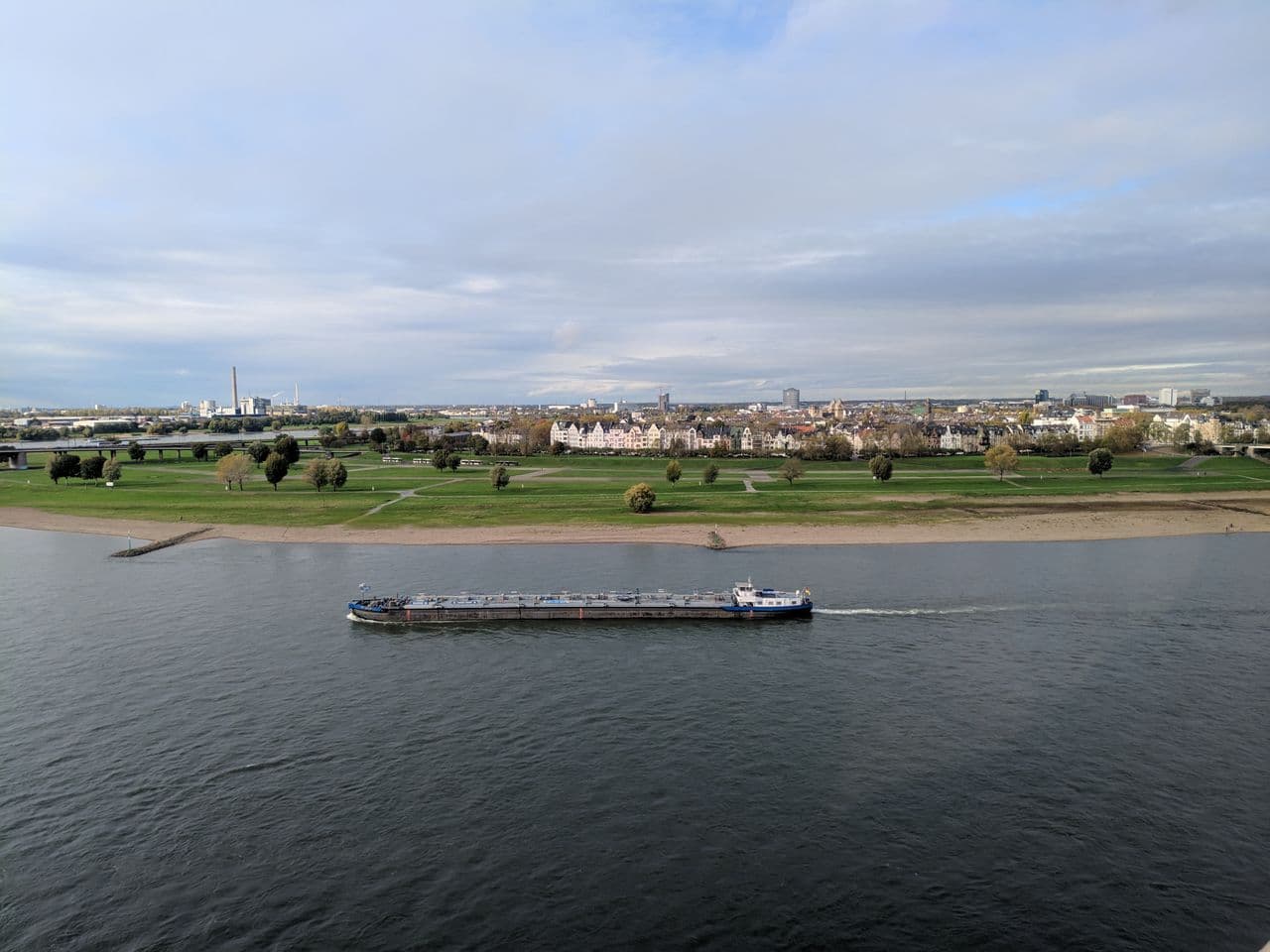
Water levels on the Rhine River at the critical Kaub gauge have dropped below 30 centimeters, a historic low point. This severe drought condition is drastically limiting the amount of cargo barges can transport, with loading capacities reduced to between 10% and 20% of their usual levels. The Rhine is a vital artery for European inland cargo, and this situation is causing widespread disruption.
This ongoing drought has progressively worsened, impacting the navigability of the Rhine for several weeks. The Kaub gauge is a key indicator for the river's central section, and its low readings directly translate to operational constraints for barge operators.
For freight forwarders and shippers, this means significant challenges. Expect substantial delays for cargo moving via inland waterways, particularly for bulk and project cargo that traditionally relies on barges. Freight rates for river transport are soaring to all-time highs due to the reduced capacity and increased demand for alternative transport. Forwarders will need to explore alternative modes like road or rail, which may also face capacity constraints and higher costs, or factor in significant surcharges for any remaining barge options. Supply chain planners should adjust lead times and consider rerouting strategies for shipments destined for or originating from areas dependent on Rhine River transport.
If the drought persists, the situation could further deteriorate, potentially leading to complete halts in certain sections of the river, exacerbating the logistical challenges across Europe.