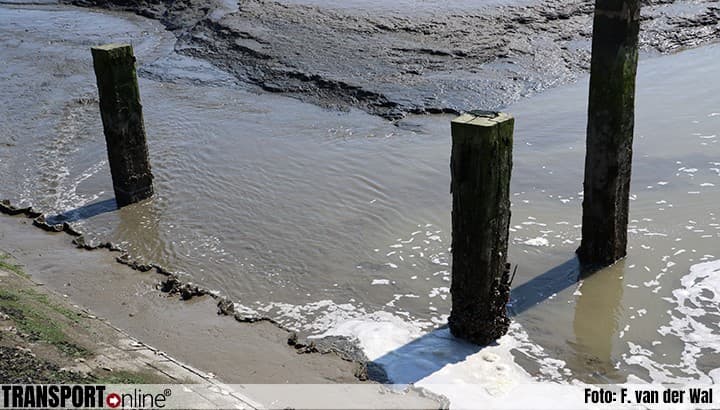
Ongoing heatwaves throughout Europe are severely impacting the Rhine River, with water levels nearing unprecedented lows. This critical situation is creating significant challenges for the transportation of essential commodities such as coal and fuels to inland destinations. The reduced water depth restricts the loading capacity of barges, forcing operators to either carry lighter loads or use more vessels, both of which increase operational costs.
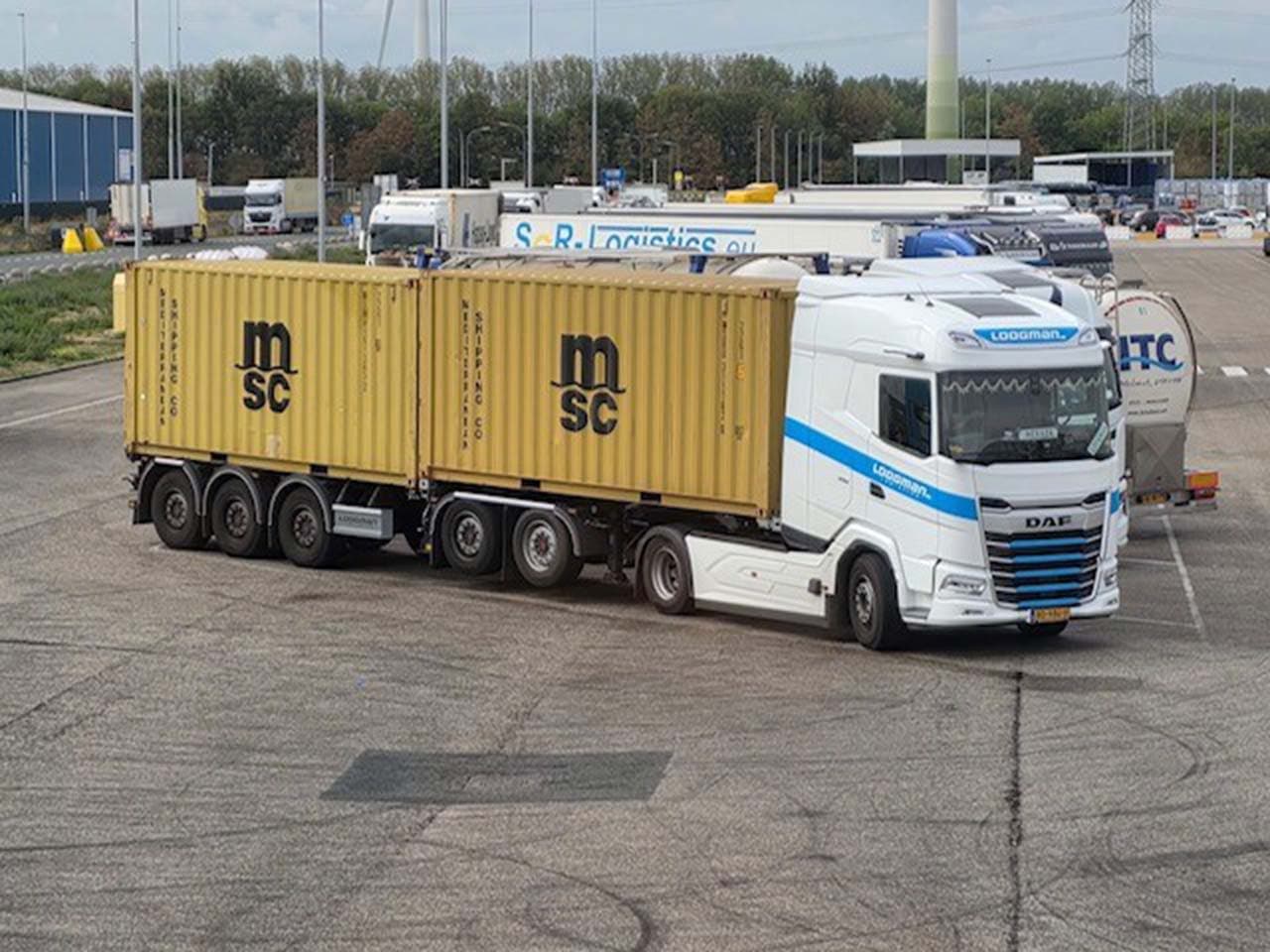
For freight forwarders and operations managers, this means potential delays and higher expenses for shipments utilizing the Rhine. Shippers should anticipate longer transit times and consider alternative transport modes, such as rail or road, which may also see increased demand and pricing. The reliability of scheduled barge services will likely decrease, requiring proactive communication and contingency planning for affected cargo.
The water level at Kaub, a key reference point in Germany, is a primary indicator of navigability. If levels continue to drop, it could lead to further restrictions or even temporary halts in barge traffic, exacerbating supply chain pressures. Businesses dependent on the Rhine for raw material or finished goods transport should monitor the situation closely and adjust logistics strategies accordingly.