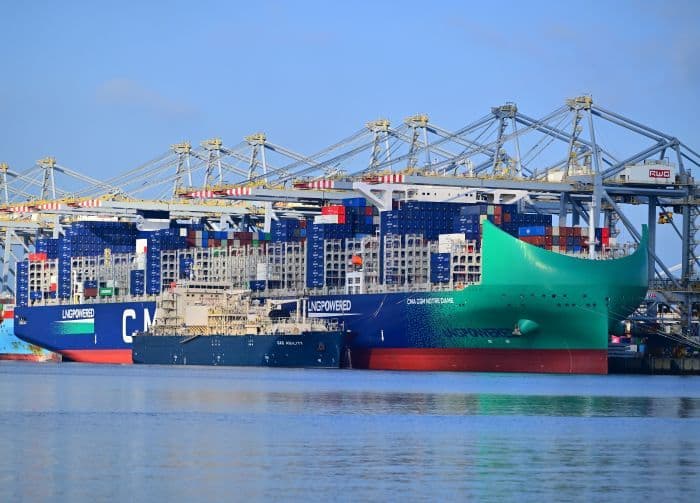
Ocean carriers are anticipated to experience substantial overcapacity in the market beyond 2026, according to insights shared during a Journal of Commerce webinar. This projection comes despite current geopolitical tensions and various network disruptions, such as the Red Sea crisis, which have temporarily absorbed a significant portion of existing vessel capacity.
The industry has seen a massive orderbook for new container ships in recent years. While these new vessels have been partially offset by longer transit times and operational inefficiencies caused by global events, experts believe this absorption effect will not be sustainable in the long term. The sheer volume of new tonnage scheduled for delivery in 2025 and 2026 is expected to exceed demand growth, leading to a surplus of available capacity.
For freight forwarders and shippers, this impending oversupply suggests a potential shift in market dynamics. Increased capacity typically leads to downward pressure on freight rates, which could offer more favorable pricing and greater flexibility in booking space. However, it also means carriers may engage in more aggressive competition, potentially impacting schedule reliability as they adjust networks to manage excess tonnage. Forwarders should prepare for a more buyer-friendly market environment in terms of rates and capacity availability, while closely monitoring carrier strategies for network optimization.
While the exact timing and severity of the oversupply will depend on future demand trends and geopolitical developments, the current outlook points towards a challenging period for carriers in terms of maintaining profitability, and a potentially beneficial one for shippers seeking lower transportation costs.