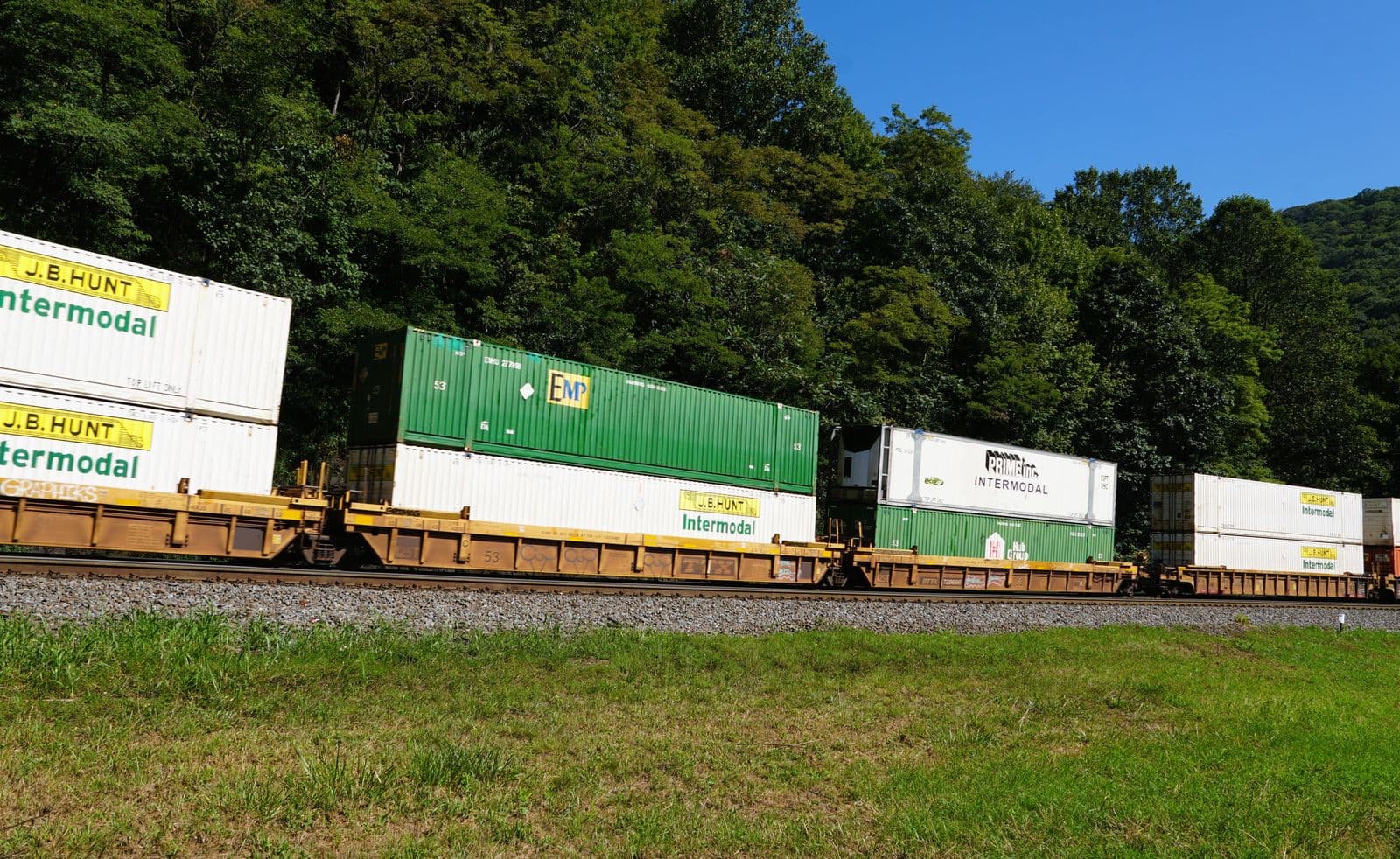
Intermodal train speeds experienced a decline across the majority of North American railroads in June, when compared to the same period last year. Canadian Pacific Kansas City was the sole exception, reporting improved performance. This dip in operational efficiency and reliability is a significant concern for the intermodal sector.
For freight forwarders and shippers, consistent intermodal service is paramount for supply chain planning and cost management. Reduced train speeds can lead to longer transit times, increased inventory holding costs, and potential delays in reaching markets. This unreliability directly impacts the competitiveness of intermodal transport against other modes like trucking. As shippers prepare for 2027 contract negotiations, the demonstrated service levels in 2026 will heavily influence their decisions, potentially shifting volumes away from less reliable rail providers. Forwarders will need to carefully assess carrier performance data when advising clients on routing and mode selection, prioritizing those with proven on-time delivery and speed.
Looking ahead, the reliability of intermodal services will be a key determinant in securing future business. Railroads that fail to improve their operational metrics may find themselves at a disadvantage during the upcoming bidding cycles for 2027 contracts, as shippers will likely favor carriers demonstrating better service consistency.