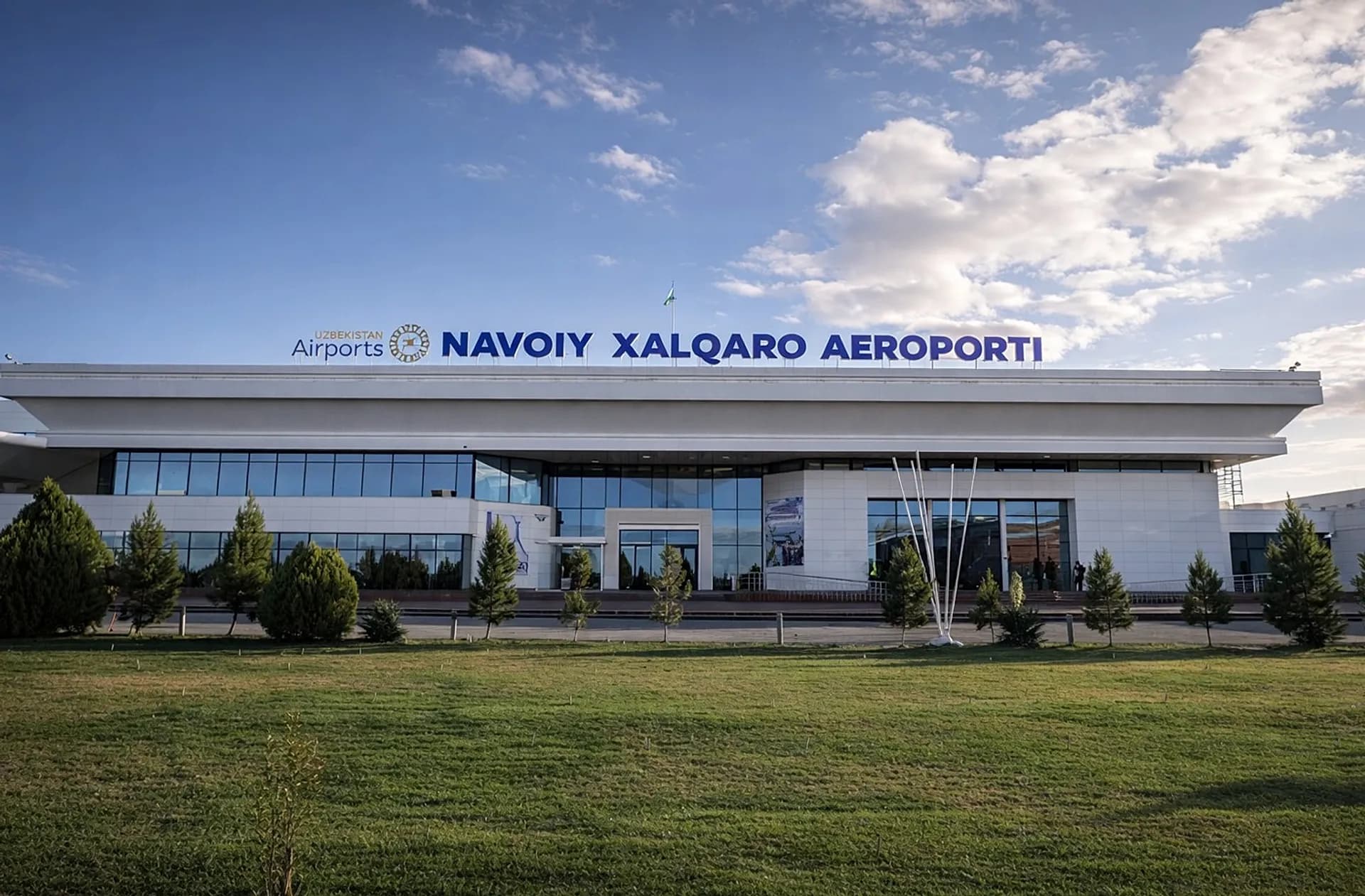
Navoi International Airport (NAVOI) in Uzbekistan is implementing a dedicated cargo-first strategy, aiming to establish itself as Central Asia's leading air freight hub. This approach distinguishes NAVOI from other airports in the region, which typically manage a balance of both passenger and cargo traffic. The airport's core objective is to facilitate seamless freight connections between Europe and Asia by developing integrated air, road, and rail networks.
To support this ambition, substantial investments in infrastructure are being made. These enhancements are designed to bolster the airport's capacity and efficiency for handling air cargo, as well as to improve its intermodal links with road and rail networks. The focus on a pure-play cargo model is intended to attract more freight volumes and establish NAVOI as a critical transit point on the Eurasian trade corridor.
For freight forwarders and logistics professionals, Navoi's development could offer a new, dedicated, and potentially more efficient routing option for cargo moving between Europe and Asia, particularly for time-sensitive or high-value goods. The emphasis on intermodal connectivity suggests improved transit times and reduced complexity for multimodal shipments. This could lead to increased capacity and potentially competitive rates for air cargo services through Central Asia, offering an alternative to traditional East-West routes.