MOL has launched the second phase of its strategic plan, "BLUE ACTION 2035," with an ambitious goal of achieving a ¥420 billion (approximately $2.8 billion USD) profit by the year 2030. This new phase signals a significant reorientation of the company's business model, aiming to reduce its exposure to the inherent volatility of the traditional shipping market.
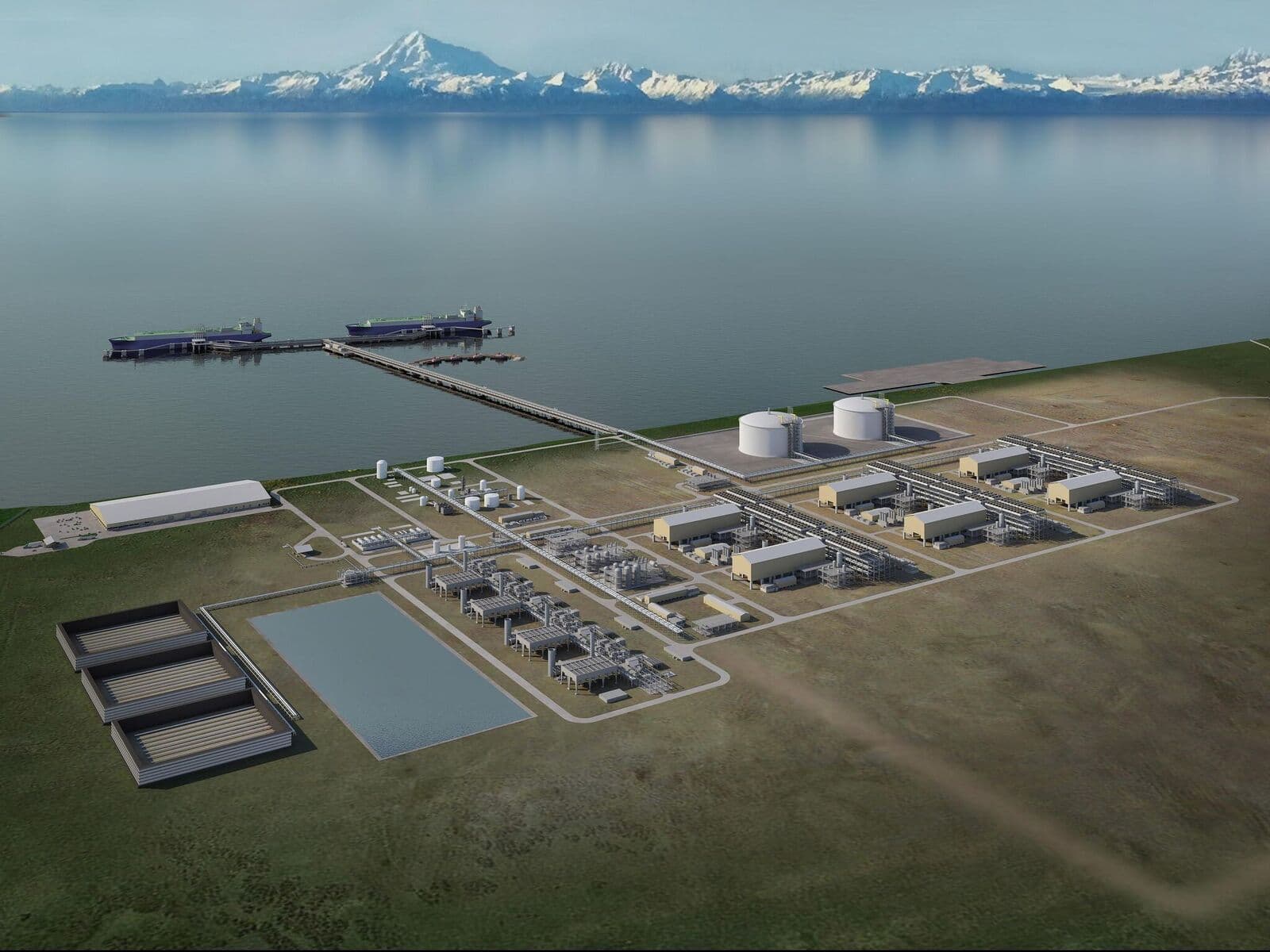
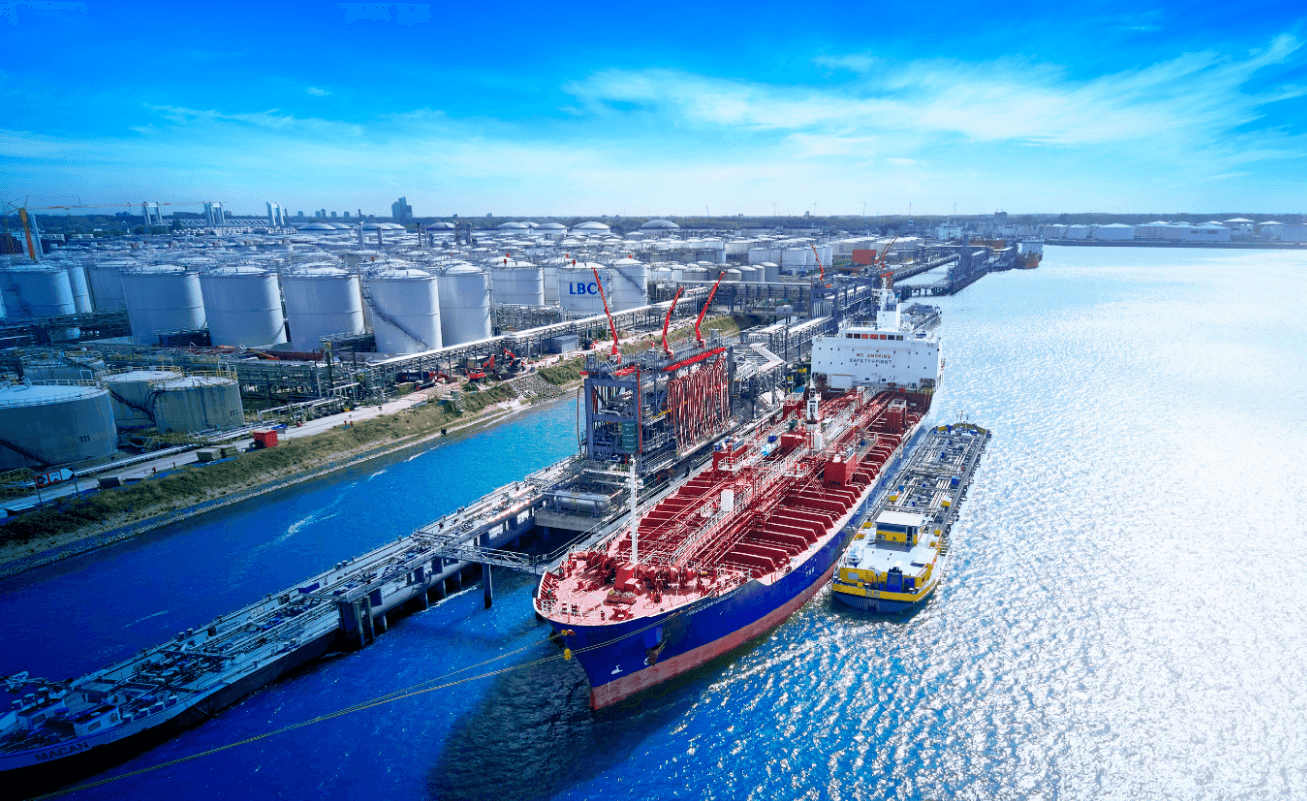
The core of this strategy involves a deliberate pivot towards more stable and predictable revenue sources. Key areas of focus include expanding its presence in chemical logistics and investing further in Liquefied Natural Gas (LNG) infrastructure. This move is designed to create a more resilient financial foundation for MOL.
For freight forwarders and supply chain analysts, this strategic shift by a major maritime player like MOL indicates a long-term trend towards diversification within the logistics sector. While MOL will continue to operate in shipping, the increased emphasis on specialized segments like chemical logistics and LNG infrastructure suggests potential for new service offerings and partnerships in these areas. Forwarders involved in chemical transport or energy projects might find MOL a more stable and integrated partner, potentially leading to more consistent capacity and specialized solutions, albeit with less direct impact on general container or dry bulk rates.