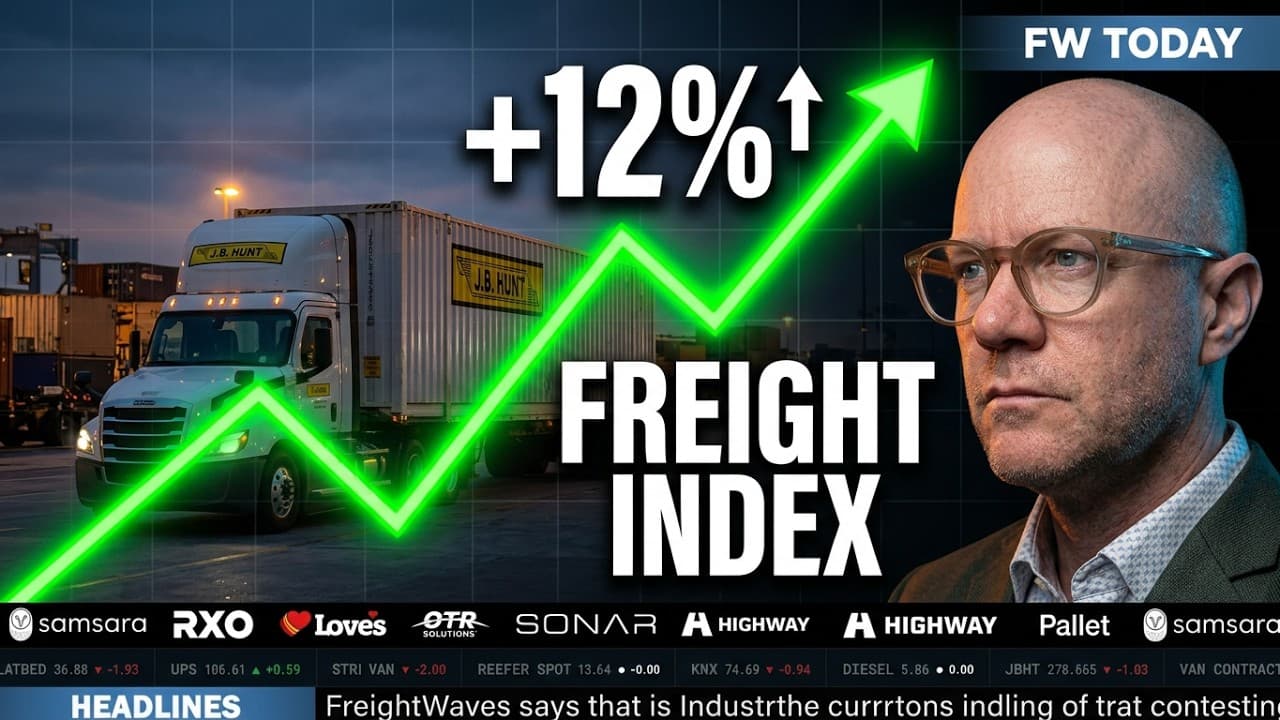
J.B. Hunt's second-quarter financial results are being closely watched as a significant benchmark for the overall freight market. The report offers a detailed examination of the company's performance across its core segments, including intermodal, dedicated contract services, and last-mile delivery operations. This analysis sheds light on how various market forces are currently shaping the logistics landscape.
The key factors identified as influencing the industry include fluctuating fuel costs, which directly impact operational expenses for carriers. Additionally, the report addresses the ongoing tightness in freight capacity, a persistent challenge that affects service availability and pricing across different transport modes. The increasing burden of legal liabilities, particularly in the trucking sector, is also highlighted as a significant concern for logistics providers.
For freight forwarders and operations managers, these trends suggest potential shifts in pricing structures and service availability. Increased fuel costs and capacity tightness could lead to higher rates and longer lead times for certain lanes and modes. The emphasis on legal liabilities may also influence carrier selection and contractual agreements, with a greater focus on risk mitigation. Understanding these dynamics is essential for strategic planning, rate negotiations, and ensuring supply chain resilience.