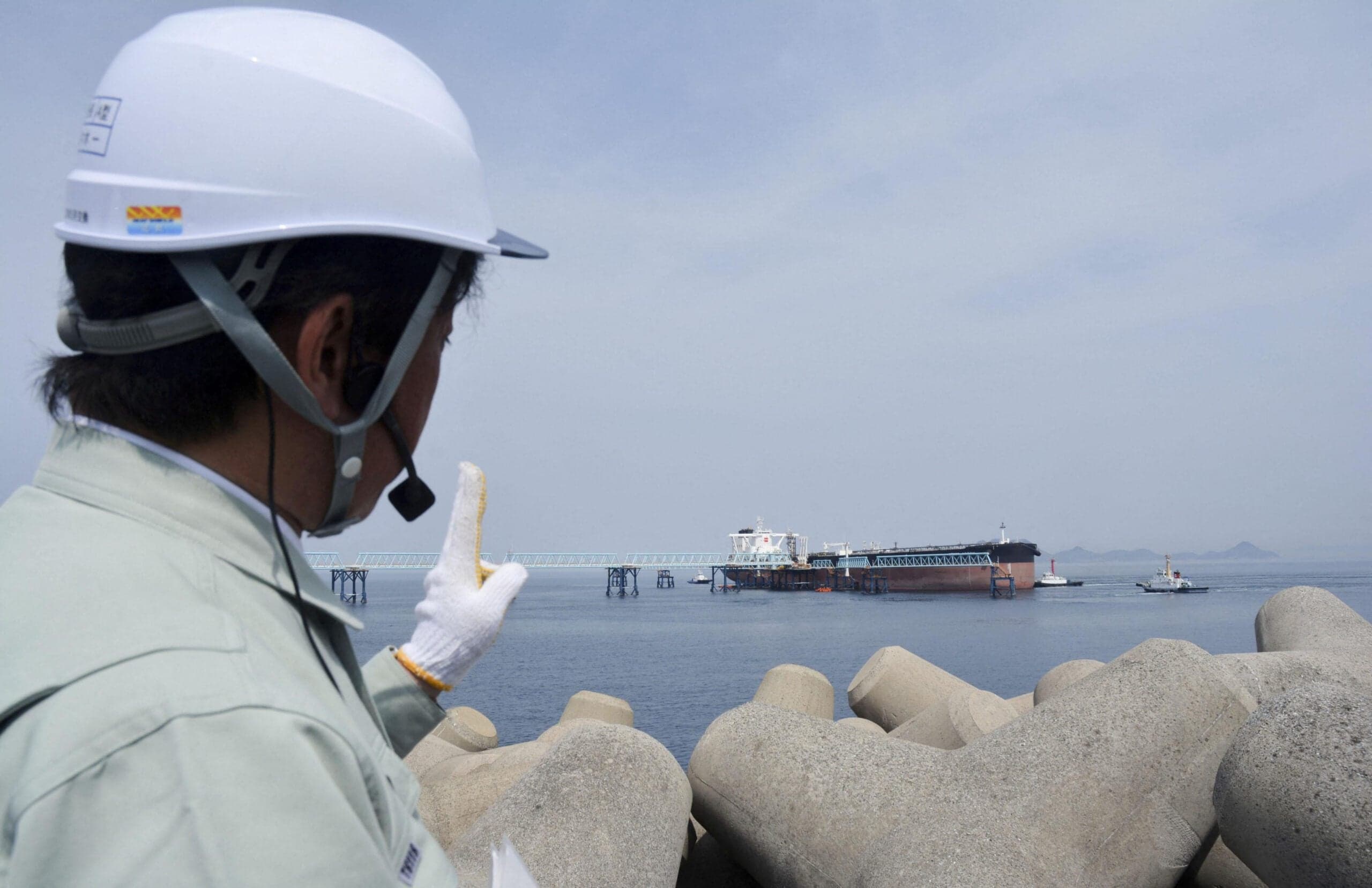
Japan is set to receive a larger volume of crude oil from the Middle East in July, following the departure of two Japanese-owned supertankers carrying Saudi crude from the Strait of Hormuz. These vessels had been delayed, and their current movement indicates a resumption of normal shipping operations through this critical waterway.
For freight forwarders and operations managers, this news signals a potential easing of supply chain concerns related to crude oil shipments from the Middle East. Consistent transit through the Strait of Hormuz is vital for global energy markets. A smoother flow of tankers reduces the risk of delays and potential disruptions, which can impact vessel scheduling and fuel availability for other shipping sectors. While this article specifically addresses crude oil, stable passage through the Strait of Hormuz benefits all maritime traffic in the region by reducing geopolitical risk premiums and ensuring predictable transit times.