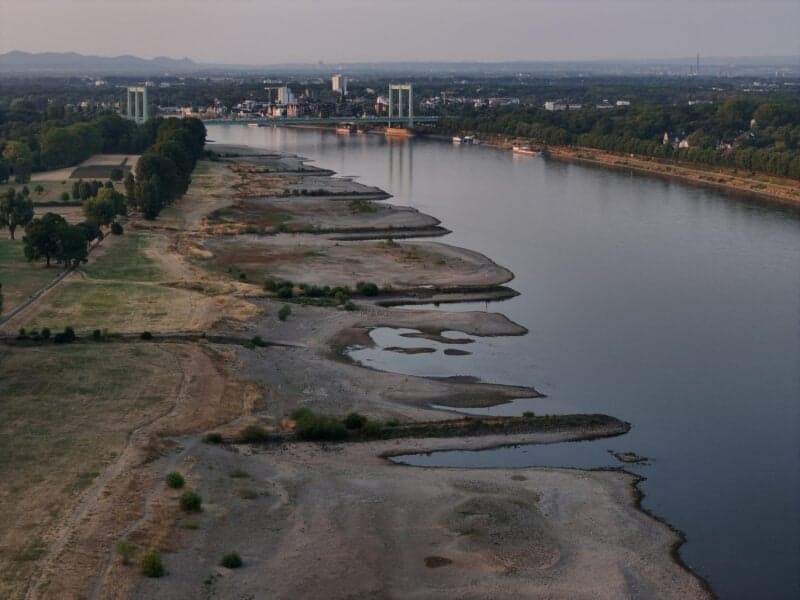
Europe's primary rivers are experiencing historically low water levels, which is significantly disrupting the movement of goods via inland waterways. This environmental challenge is also leading to a decrease in electricity generation, particularly from power plants reliant on river water for cooling, and consequently impacting the earnings of various companies.
This situation underscores the growing economic vulnerability to climate change, specifically the effects of prolonged heatwaves and irregular precipitation. The reduced navigability of rivers forces shippers to seek alternative transport methods or reduce cargo loads, increasing logistics costs and transit times.
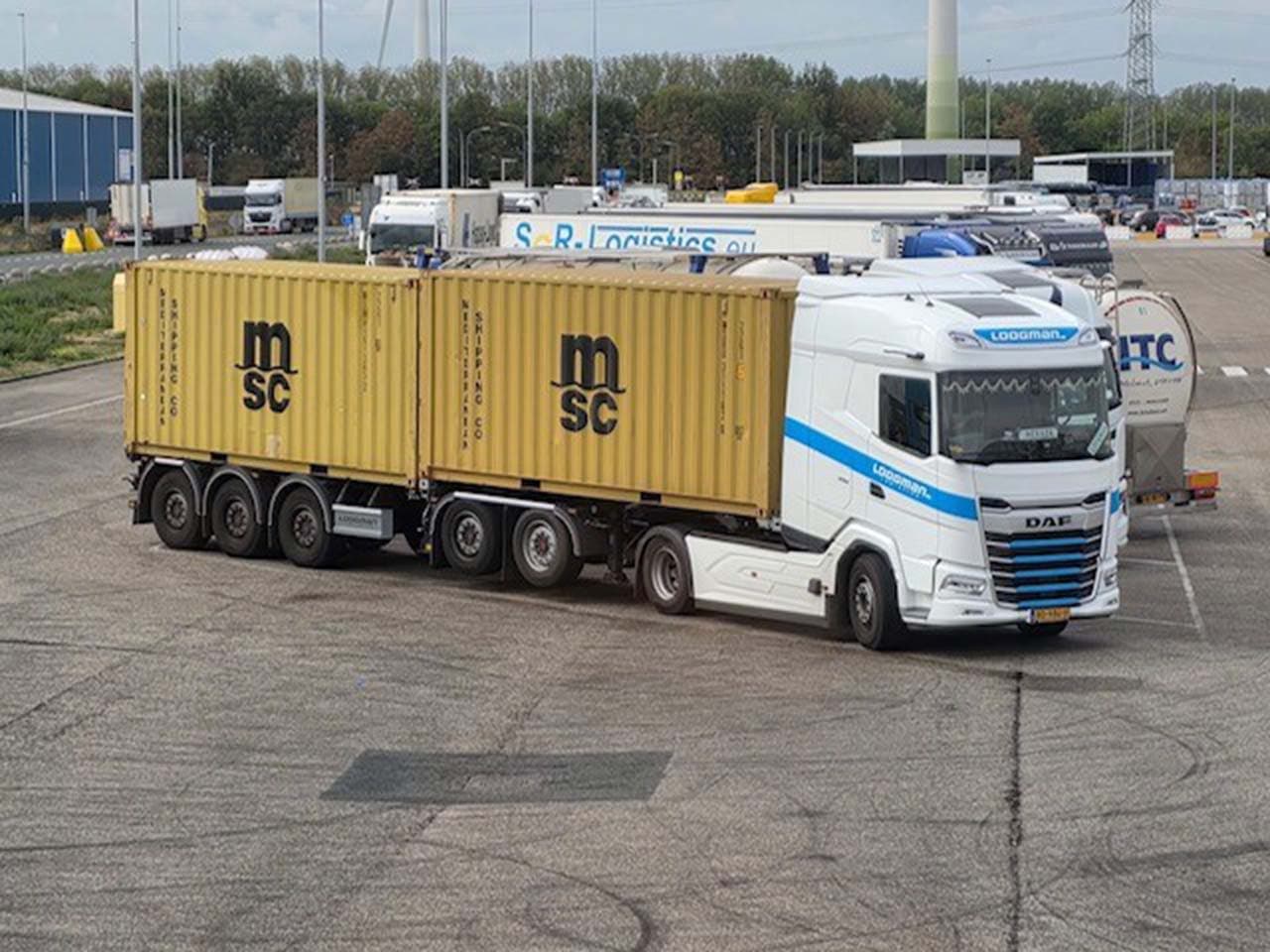
For freight forwarders and operations managers, these low water levels translate into immediate operational challenges. Capacity on barges is severely restricted, often leading to surcharges or the need to offload cargo to meet draft limitations. This necessitates a shift to more expensive and less environmentally friendly road or rail alternatives, impacting lead times and overall supply chain efficiency. Forwarders must closely monitor river levels and communicate potential delays and cost increases to shippers, advising on multimodal solutions or adjusted routing to mitigate disruption.