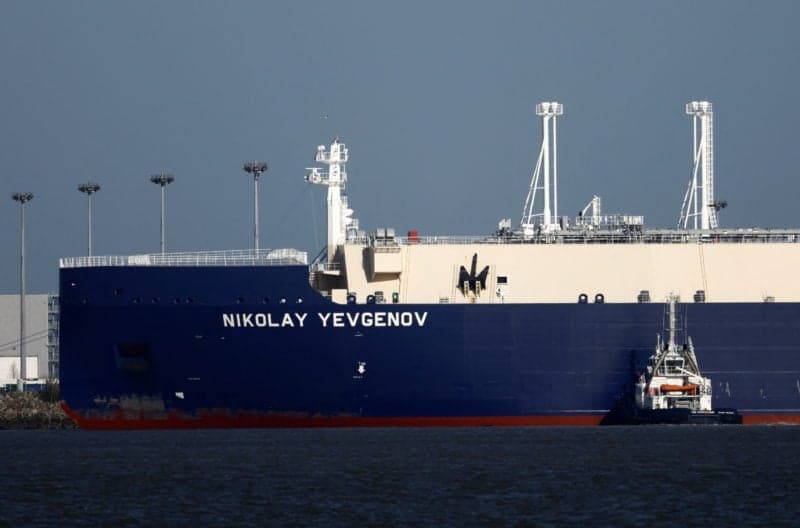
European Union member states acquired an estimated 5.96 billion euros (approximately $6.82 billion) worth of liquefied natural gas (LNG) from Russia's Yamal LNG facility during the initial six months of 2026. This financial outlay underscores the persistent dependence of the bloc on Arctic gas supplies from Russia, even with a forthcoming prohibition on Russian LNG imports.
This continued reliance on Russian LNG, despite geopolitical tensions and sanctions, indicates the challenges the EU faces in diversifying its energy sources. The Yamal LNG project, located in the Russian Arctic, is a significant supplier of gas to Europe, and its output has remained a crucial component of the EU's energy mix.
For freight forwarders and shippers, this situation implies a need to prepare for significant shifts in energy logistics. The impending ban on Russian LNG will necessitate new supply chains, potentially leading to increased demand for LNG carriers from alternative origins. This could impact shipping routes, vessel availability, and freight rates for LNG transport. Forwarders should monitor regulatory developments closely and explore new sourcing options to mitigate potential disruptions and ensure energy security for European clients.
While the article does not specify future actions, the EU is expected to continue its efforts to reduce dependence on Russian energy, which will likely involve further investments in alternative energy sources and infrastructure for importing LNG from other global suppliers.