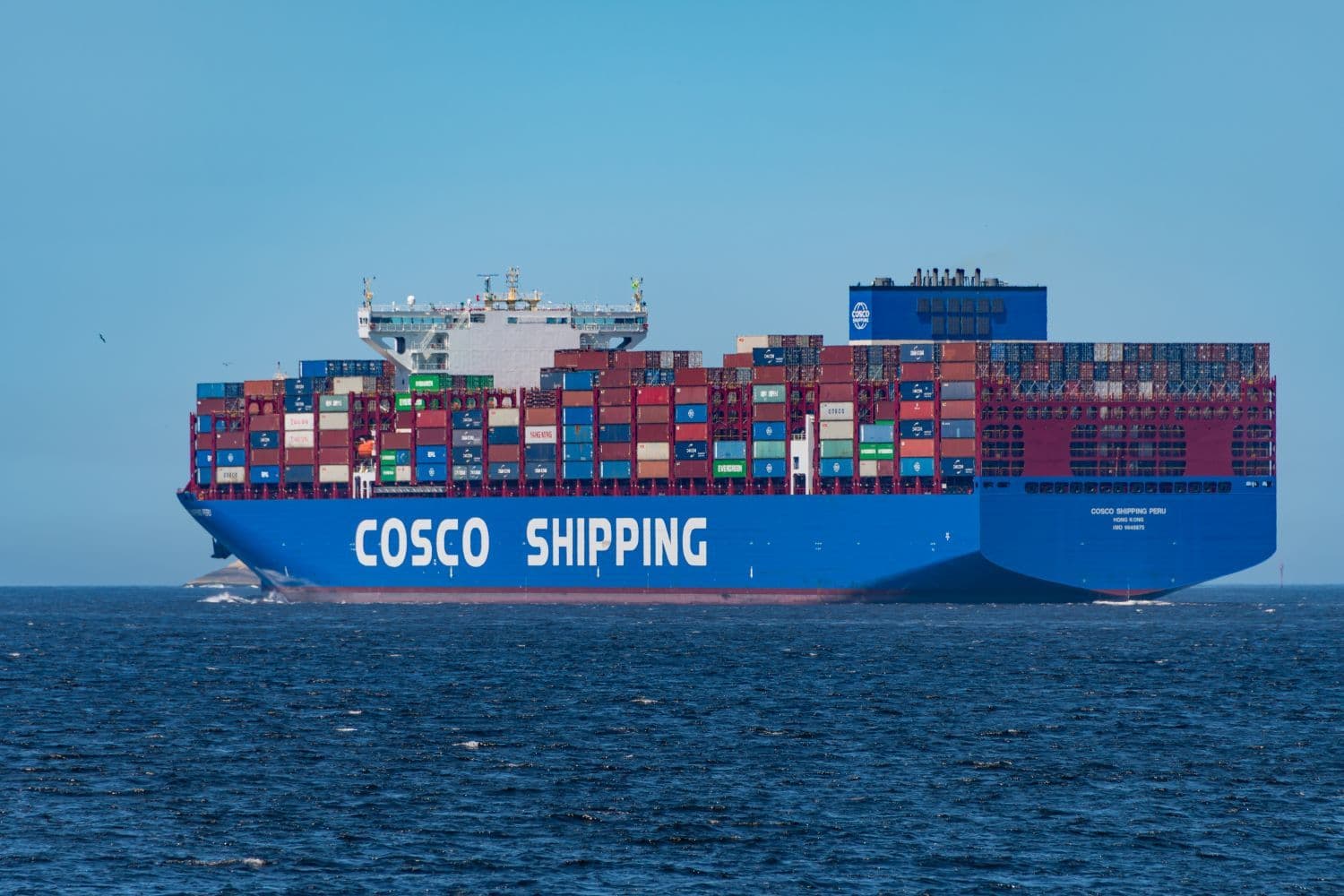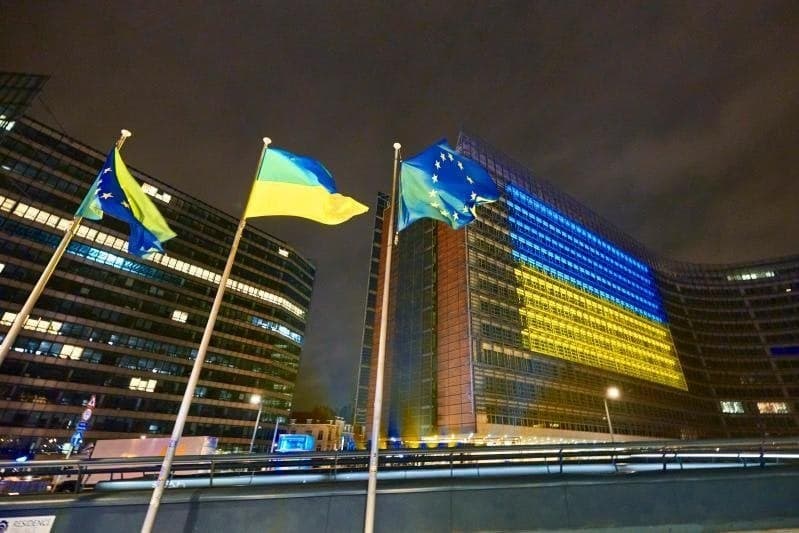
The European Union has enacted its 21st round of sanctions against Russia, specifically broadening the scope of prohibitions on Russian shipping and tanker services. These new restrictions are designed to intensify economic pressure on Russia by limiting its access to international maritime transport for various commodities, including oil and other energy exports.
For freight forwarders and logistics professionals, these expanded sanctions mean increased complexity and potential disruption when dealing with shipments that might directly or indirectly involve Russian-flagged vessels, Russian-owned entities, or goods originating from/destined for Russia. Compliance checks will become even more critical, requiring thorough due diligence on vessel ownership, charter parties, and cargo origins/destinations to avoid inadvertent breaches. Capacity for certain routes or vessel types may be affected, and insurance and financing for such operations will likely face additional scrutiny and cost increases. Forwarders should anticipate potential delays and the need for alternative routing or carrier selection to ensure compliance and maintain supply chain integrity.