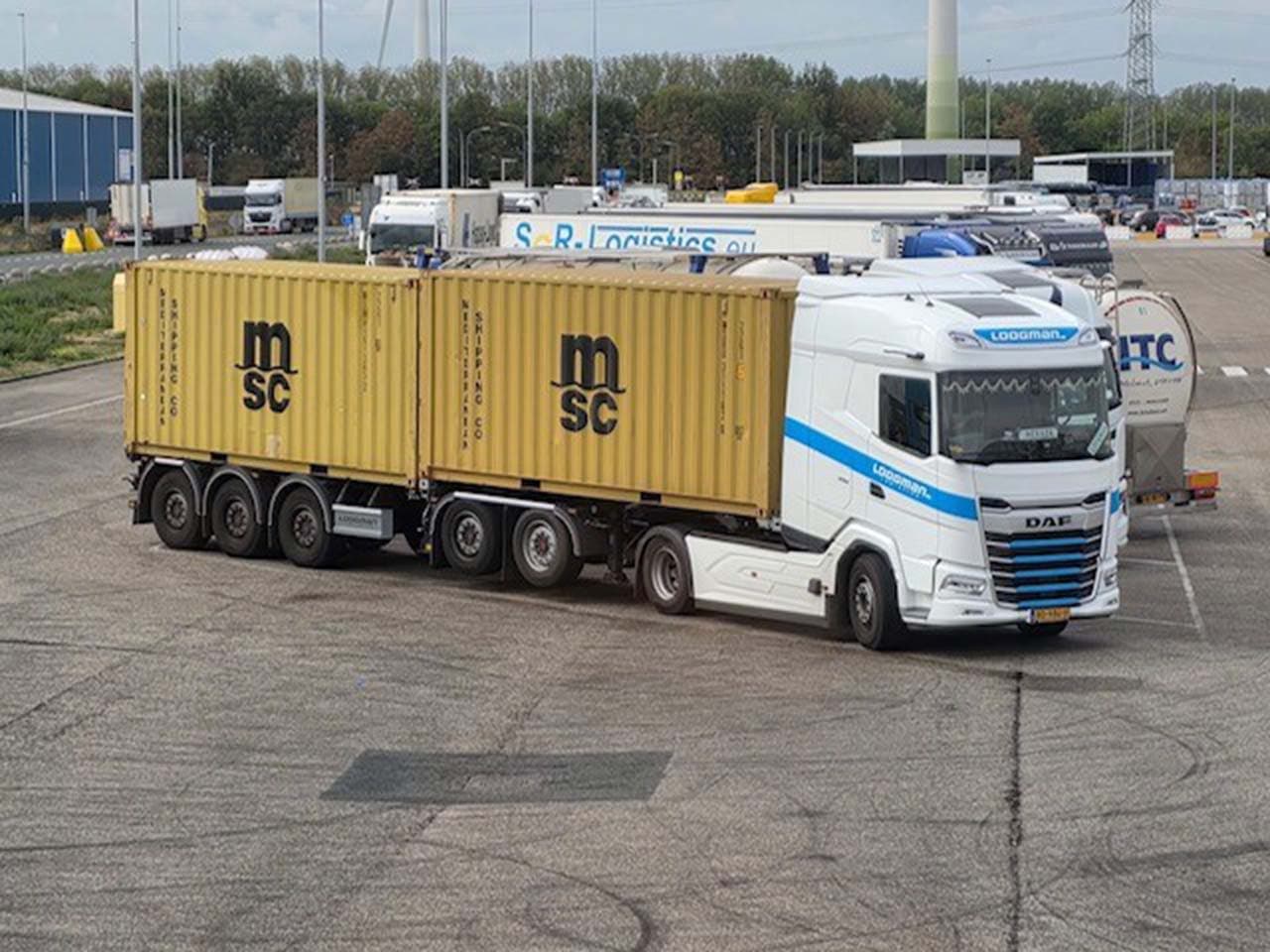
Tobias Waldeck and Kevin Bangston, key figures at Daimler Truck Financial, have provided their perspectives on the evolving landscape of the trucking sector. Their analysis suggests that the industry may be nearing the end of its longest recorded freight recession, a period characterized by four years of declining capacity. This potential recovery is a significant point of discussion for the market.
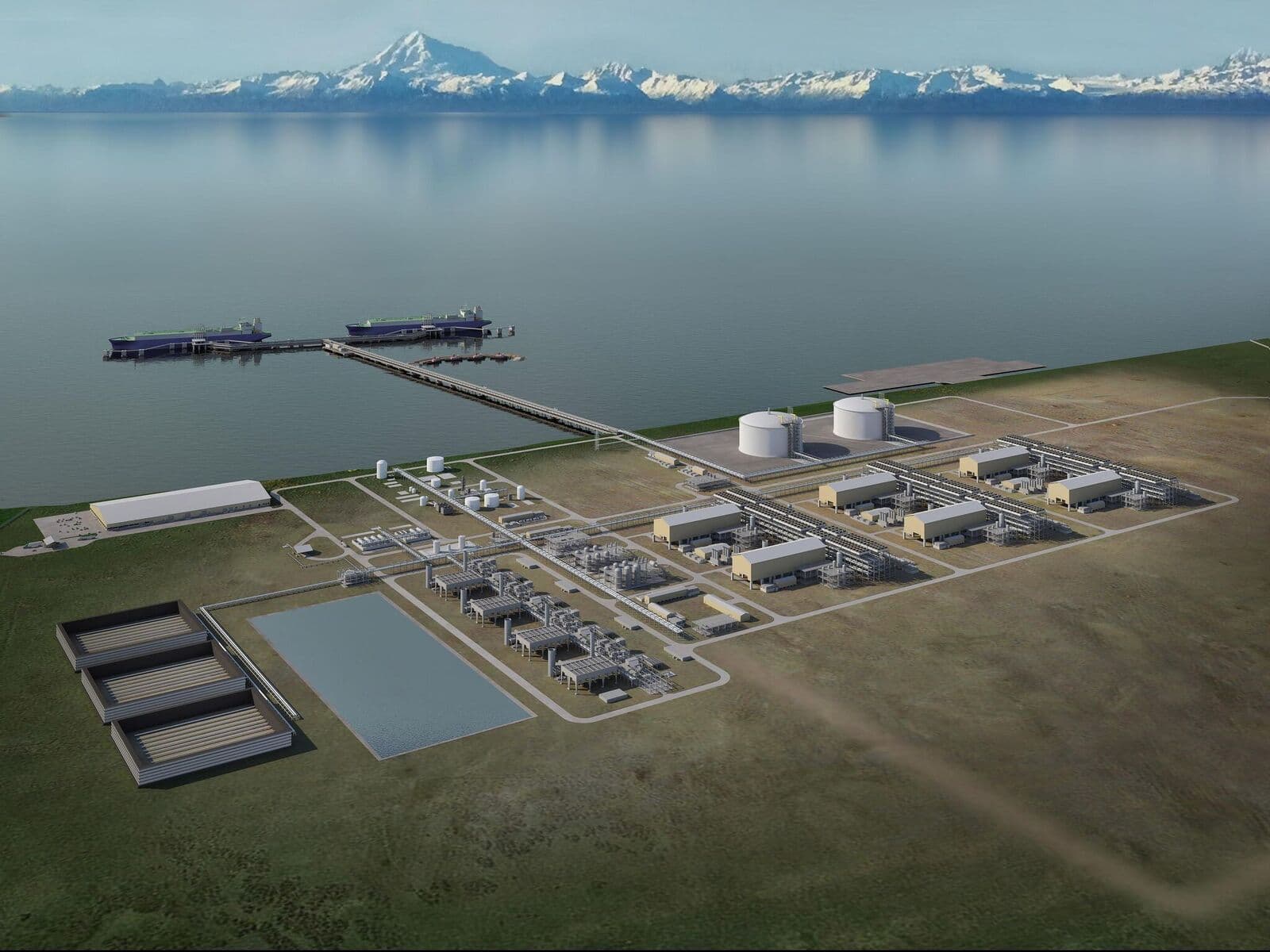
Beyond the general market cycle, the executives highlighted several factors shaping the industry. They delved into current trends in fleet investment, indicating how carriers are adapting their strategies in response to economic conditions. Furthermore, the discussion covered the implications of new environmental regulations from the EPA, which are expected to introduce changes in truck specifications and operational requirements. A notable emerging influence is the rapid expansion of AI data centers, which is creating new demands and opportunities within the freight ecosystem.
For freight forwarders and operations managers, understanding these dynamics is crucial. The potential end of the freight recession could signal a shift in capacity and rates, moving from a shipper-favorable market to one where carriers regain some leverage. New EPA regulations will likely impact fleet availability and potentially increase operational costs for carriers, which could translate into higher trucking rates. The AI data center boom may create specialized transport demands, particularly for heavy-haul and time-sensitive equipment, potentially affecting equipment availability and pricing in specific lanes.