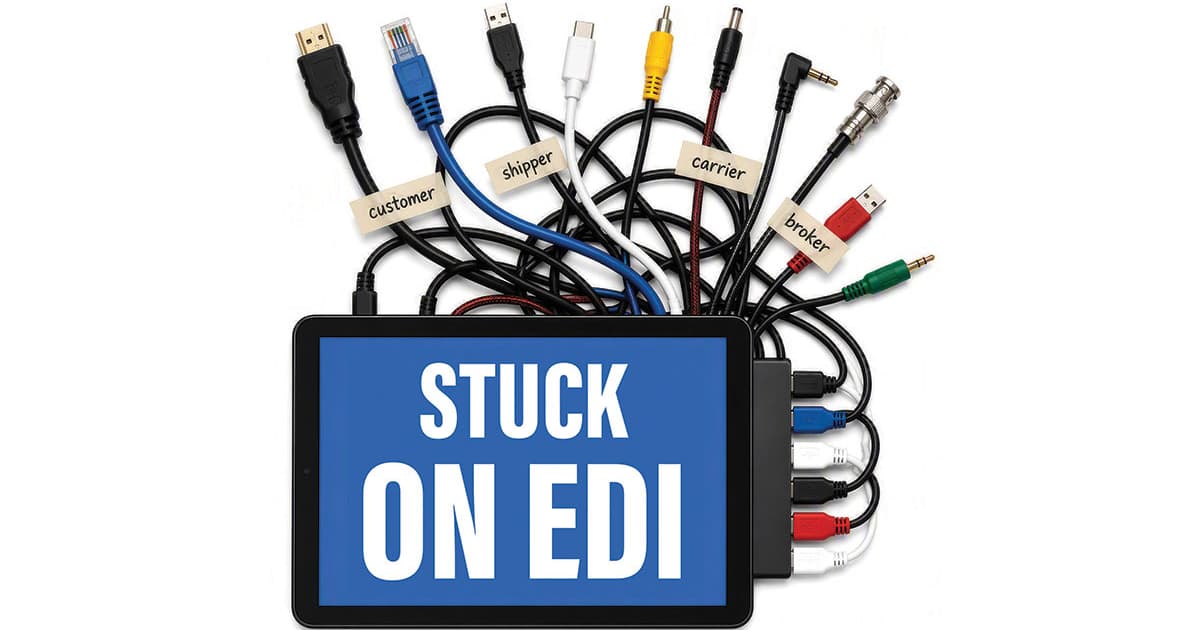
Trucking companies are encountering substantial hurdles when trying to upgrade their operational systems, primarily due to the intricate nature of Electronic Data Interchange (EDI) platforms. The core issue lies in the multitude of highly customized integrations that have been developed over time. These bespoke connections act as significant bottlenecks, making it difficult and time-consuming for fleets to migrate to more modern, efficient systems.
For freight forwarders and operations managers, this situation means that integrating with new carriers or clients can remain a complex and costly endeavor. The inability of carriers to easily update their EDI infrastructure can lead to delays in data exchange, increased manual intervention, and higher operational costs. This directly impacts the speed and efficiency of booking, tracking, and invoicing, potentially affecting service levels and competitiveness.
Addressing these integration challenges is crucial for the logistics industry to fully embrace digital transformation. Without overcoming these EDI-related obstacles, the adoption of advanced technologies and streamlined processes will continue to be hampered, affecting overall supply chain efficiency.