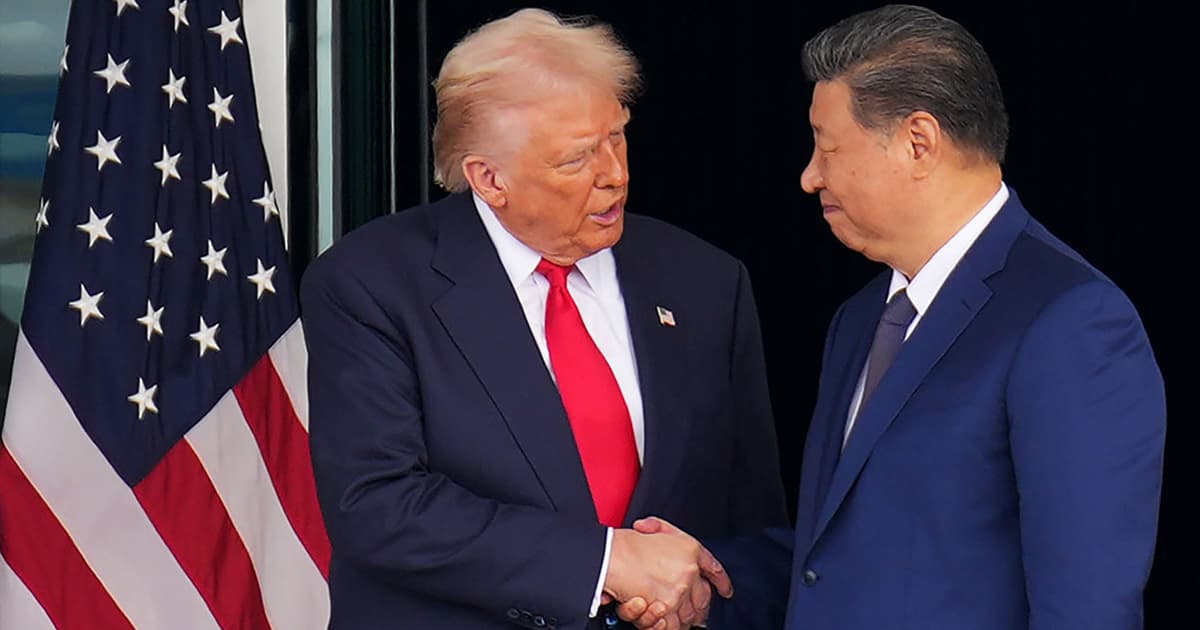
China has stated that the United States has made a commitment to limit any new replacement tariffs to a maximum of 20%. Beijing highlighted that the current replacement tariff stands at 12.5%, implying that the U.S. has a margin of 7.5 percentage points for further increases before reaching this agreed-upon cap.
This development is significant for freight forwarders and shippers involved in trans-Pacific trade. Any increase in tariffs, even within a pre-agreed cap, will directly impact the landed cost of goods, potentially leading to higher prices for consumers or reduced margins for importers. Forwarders will need to closely monitor these tariff adjustments to advise clients on cost implications and potential shifts in sourcing strategies. While the cap provides some predictability, the possibility of an immediate 7.5% hike could necessitate adjustments to pricing models and supply chain budgeting.
Should the U.S. implement these increases, it could lead to a temporary surge in shipments ahead of the new rates taking effect, or a slowdown if businesses delay orders to assess the full impact. Forwarders should prepare for potential fluctuations in demand on relevant trade lanes.