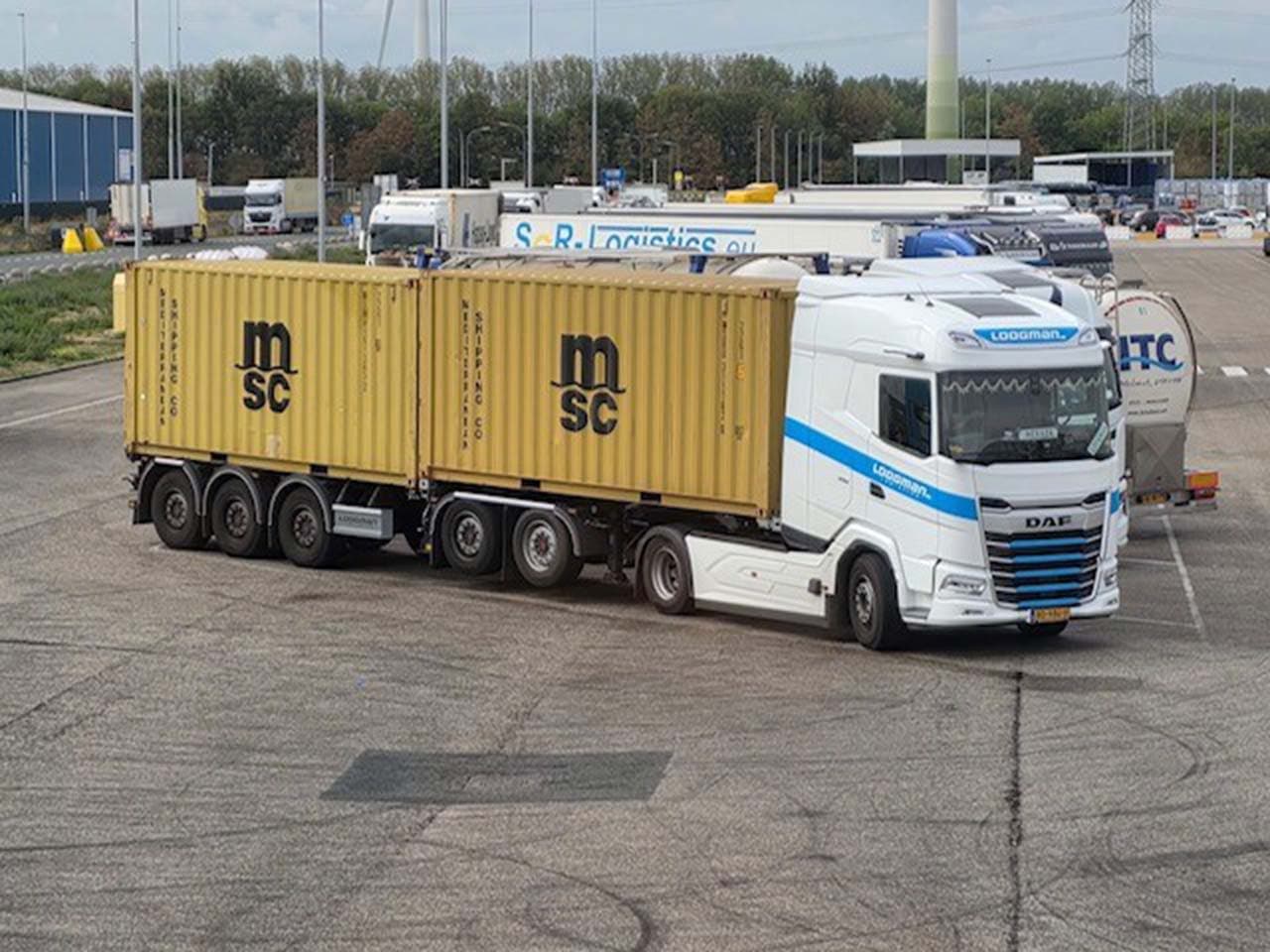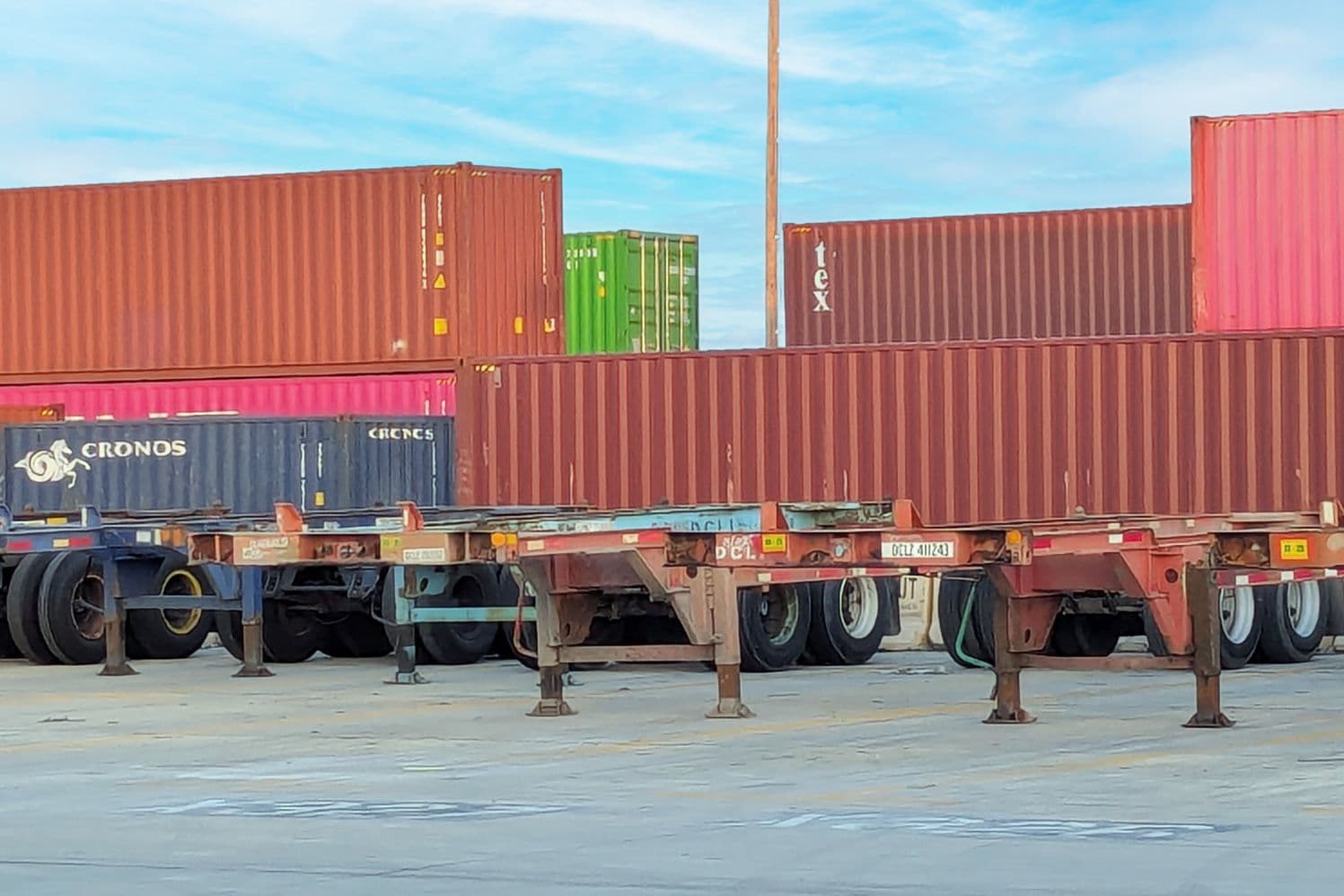
Chicago's intermodal chassis fleet is encountering its first substantial test in nearly four years, as a surge in imports through West Coast ports is beginning to strain equipment availability. Trucking companies and rail workers are reporting an increase in equipment gaps, although the current situation is considerably less severe than the widespread shortages experienced during the COVID-19 pandemic.
During the pandemic, severe chassis shortages in key inland hubs like Chicago led to significant disruptions, causing delays, increased demurrage and detention charges, and higher operational costs for shippers and freight forwarders. The current emerging gaps suggest a return to some of those challenges, albeit on a smaller scale.
For freight forwarders and their clients, this development means potential delays in cargo retrieval from rail ramps in Chicago. Increased dwell times for containers awaiting chassis could lead to higher storage costs and impact the overall efficiency of inland supply chains. Operational managers should monitor chassis availability closely and consider pre-booking equipment or exploring alternative drayage solutions to mitigate potential disruptions. This situation could also lead to localized rate increases for drayage services as demand for available chassis outstrips supply.
While the article does not explicitly state what actions are being taken, the industry will likely be monitoring the situation to prevent a return to the more severe shortages of the past. Stakeholders may need to collaborate on improving chassis pool management and forecasting import volumes more accurately to ensure adequate equipment is positioned.