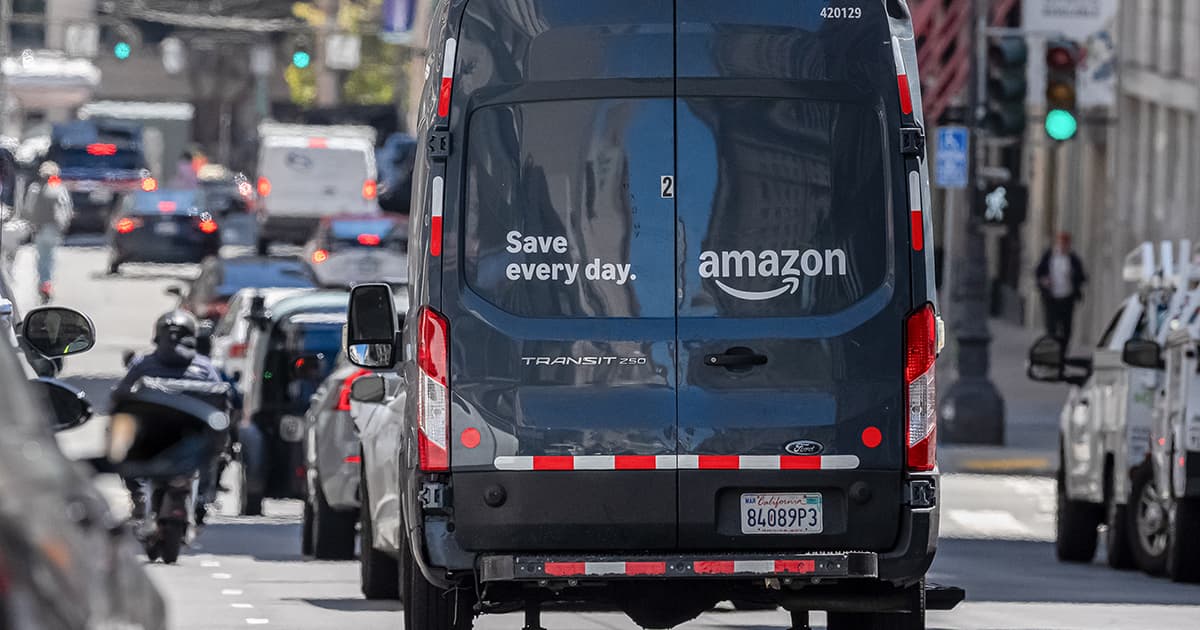
Amazon is set to distribute a portion of a $600 million tariff refund to some of its customers. This follows a legal settlement regarding import duties that the e-commerce giant had paid. Historically, Amazon's Chief Financial Officer, Brian Olsavsky, stated that the company primarily absorbed increased costs resulting from tariffs, rather than transferring them to consumers.
For freight forwarders and logistics professionals, this development highlights the ongoing impact of trade policies and tariffs on global supply chains. While Amazon itself absorbed many of these costs, the refund and subsequent distribution to consumers underscore the financial burden tariffs can place on importers and, indirectly, on the end-user. This situation also reflects the complexities of international trade regulations and the potential for large-scale financial adjustments years after initial payments.
This action is unlikely to have a direct, immediate impact on freight rates or capacity. However, it serves as a reminder of how tariff structures can influence pricing strategies for large beneficial cargo owners (BCOs) like Amazon. Forwarders should note that while Amazon chose to absorb costs, other shippers might have passed them on, affecting market competitiveness. The refund mechanism could also set a precedent for future tariff-related settlements, potentially influencing how large retailers manage and recover import duty expenses.