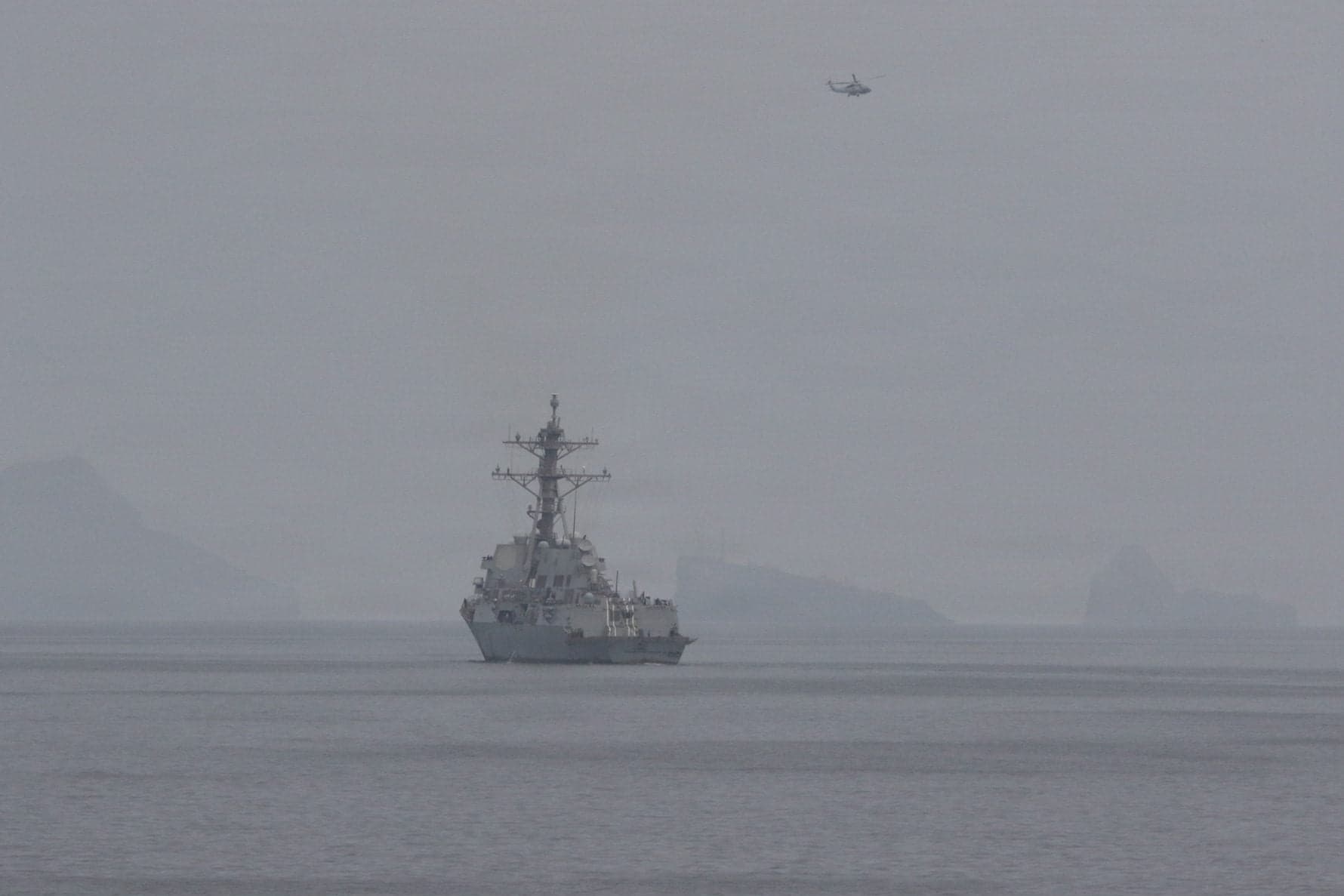
American military sources have recorded close to 1,000 commercial vessel movements through the Strait of Hormuz over the last two months. This count, provided by an official familiar with US Central Command operations, is notably higher than figures derived from commercial ship tracking platforms, which primarily rely on Automatic Identification System (AIS) transponder data.
This discrepancy highlights a potential gap between official military intelligence and publicly accessible maritime tracking information. The Strait of Hormuz is a vital chokepoint for global oil and gas shipments, and accurate information on vessel traffic is crucial for assessing regional stability and supply chain risks.
For freight forwarders and shippers, this information suggests that relying solely on commercial AIS data might underestimate the actual volume of traffic in the Strait of Hormuz. While the immediate operational impact is unclear, it underscores the importance of considering multiple data sources for comprehensive risk assessment in sensitive regions. It also implies that some vessels might be operating with their transponders off, or that military tracking methods are more comprehensive.
The article does not provide details on what's next, but the ongoing monitoring of this critical waterway will continue to be a key aspect of regional security.