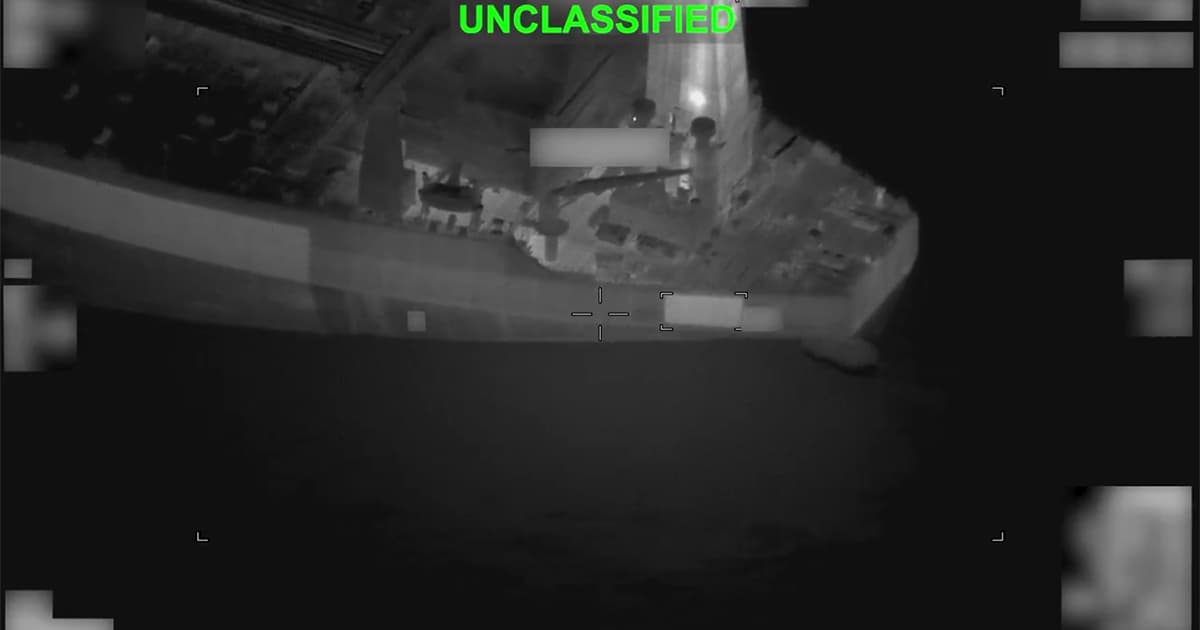
In May, Iran's crude oil exports were significantly curtailed due to a US Navy blockade, which successfully prevented any shipments from leaving the country. This intervention resulted in an estimated 80 million barrels of crude oil being stranded offshore, unable to reach international markets. The information was reported by a non-profit organization monitoring such activities.
This development underscores the continued impact of geopolitical strategies on global energy supply chains. The US has maintained sanctions against Iran, aiming to limit its oil revenues, and naval blockades represent a direct enforcement mechanism.
For freight forwarders and shippers involved in oil and gas logistics, this situation means a continued absence of Iranian crude in the global market, potentially influencing tanker demand and oil prices. It also highlights the risks associated with operating in regions subject to international sanctions and naval interventions, necessitating careful route planning and compliance checks. The stranded barrels could eventually enter the market if the blockade is lifted, but for now, they represent unavailable supply.
No immediate changes to the blockade or its enforcement were indicated in the source.