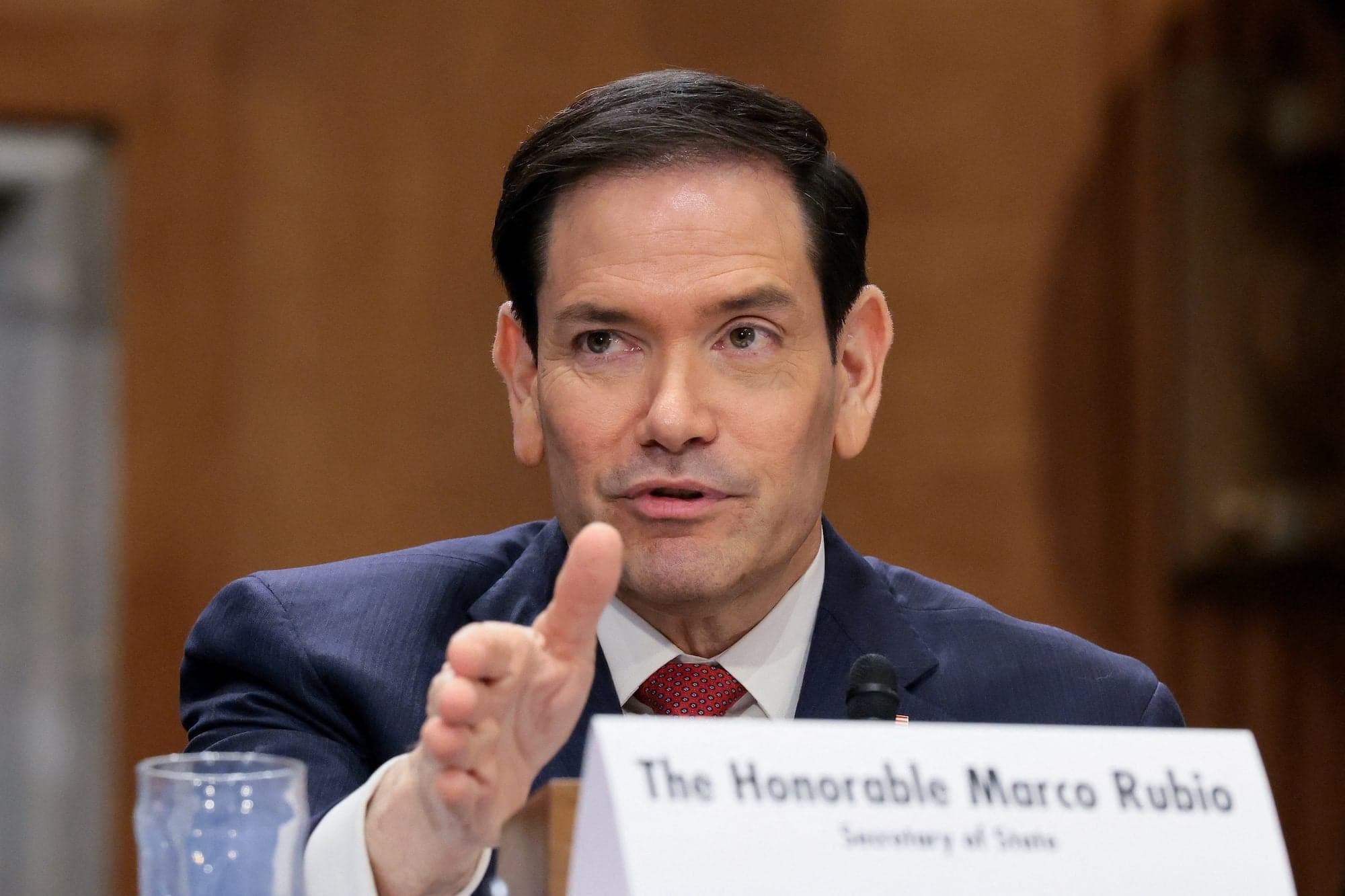
U.S. Secretary of State Marco Rubio recently confirmed that the Trump administration has not proposed lifting sanctions on Iran as a concession for maintaining open passage through the Strait of Hormuz. This statement clarifies the U.S. negotiating position, asserting that any future sanctions relief is exclusively linked to Iran's commitment to abandon its nuclear weapons program.
This position underscores the ongoing geopolitical tensions surrounding Iran and its nuclear ambitions, which have significant implications for global trade and energy markets. The Strait of Hormuz is a critical chokepoint for international oil shipments, and its security is paramount for global supply chains.
For freight forwarders and shippers, this means continued uncertainty regarding the stability of maritime routes through the Persian Gulf. The U.S. stance suggests that the threat of disruption in the Strait of Hormuz, often leveraged by Iran, will not be met with sanctions concessions. This could lead to sustained higher war risk premiums for vessels transiting the area and potential routing adjustments if tensions escalate. Forwarders should continue to monitor geopolitical developments closely and factor in potential delays or increased costs for shipments passing through this vital waterway.
The statement reiterates the U.S. focus on nuclear non-proliferation as the primary condition for any diplomatic engagement involving sanctions relief, rather than immediate maritime security concerns in the Strait of Hormuz.