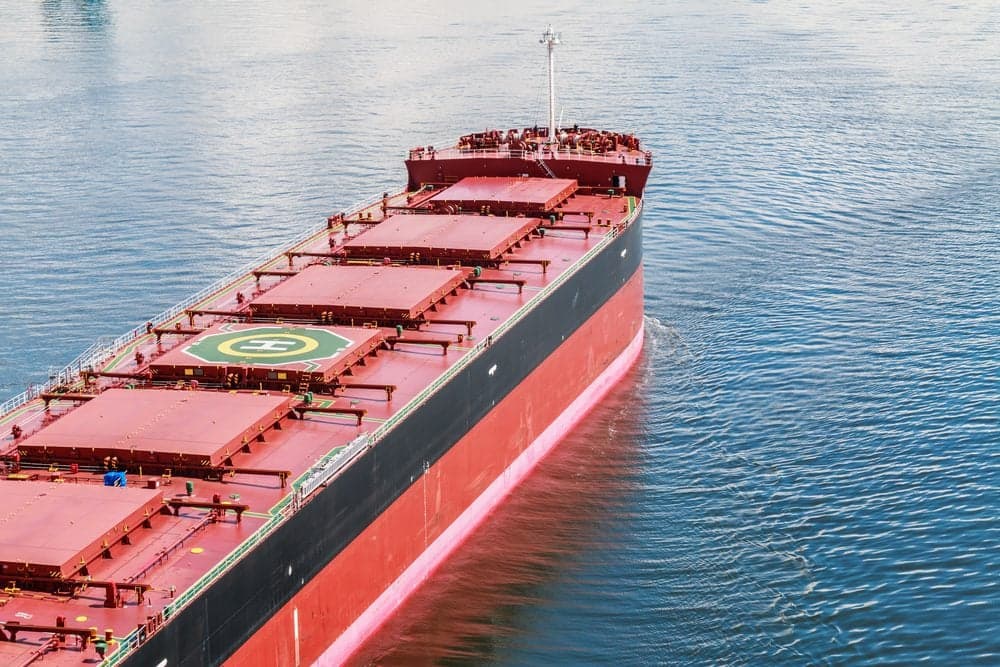
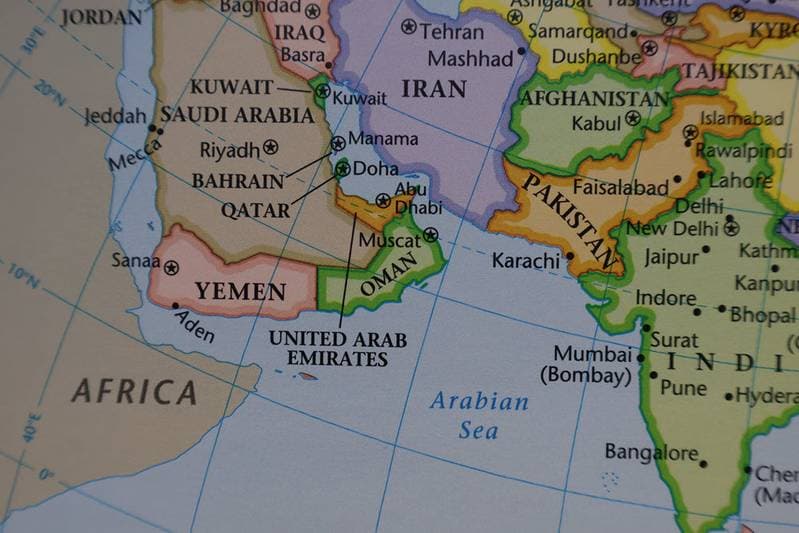
The shipping market continues to face instability due to the unresolved geopolitical situation in the Middle East. Despite ongoing global efforts, there has been no substantial progress towards de-escalation in the region. This prolonged state of uncertainty directly impacts maritime operations, particularly through critical chokepoints.
For freight forwarders and operations managers, this means a continued need to factor in potential disruptions and higher costs. War risk premiums are likely to remain elevated, affecting overall freight rates, especially for routes transiting the Red Sea and surrounding areas. Capacity management may also be impacted by vessel rerouting or delays, leading to less predictable schedules. Forwarders should maintain close communication with carriers and clients regarding potential surcharges and revised transit times, and explore alternative routing options where feasible to mitigate risks.