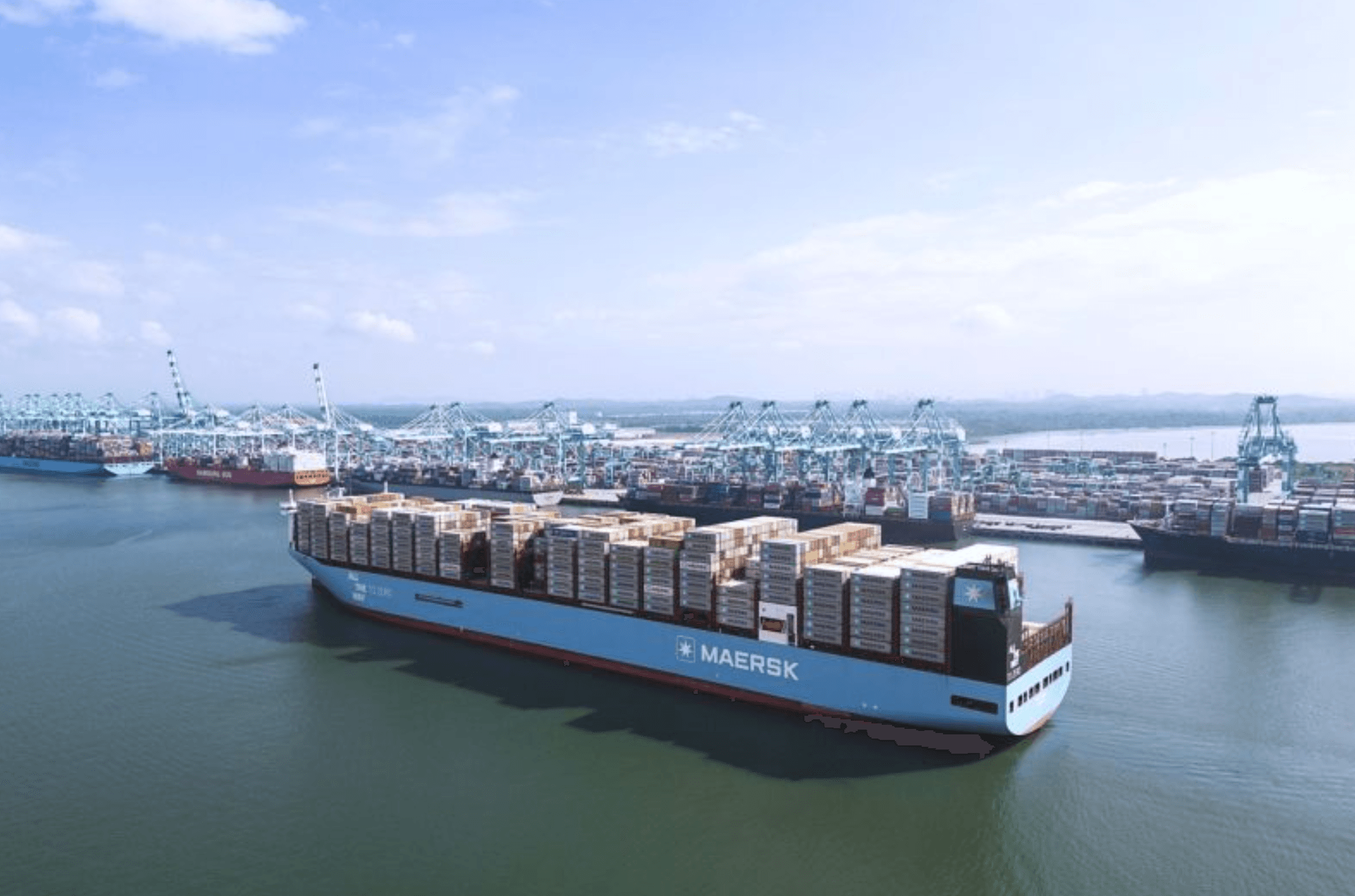
Maersk has announced an expansion of its ocean services within the Asia Pacific region. This strategic move includes the introduction of additional Transpacific capacity, specifically connecting Vietnam and South Korea to ports on the U.S. West Coast. The carrier emphasizes that this network planning is driven by customer needs and a response to the current shifts in global container shipping trade flows.
This expansion comes as the industry approaches the peak shipping season, a period typically characterized by increased demand for cargo space. The adjustments reflect a dynamic market where carriers must adapt their networks to optimize routes and capacity in line with evolving customer requirements and geopolitical influences on trade lanes.
For freight forwarders and operations managers, this development signifies potentially improved capacity and more routing options for shipments originating from Vietnam and South Korea destined for the U.S. West Coast. While increased capacity can help stabilize or even reduce rates on these specific lanes, the overall impact on pricing will depend on the balance of supply and demand during the peak season. Forwarders should monitor Maersk's specific service announcements for details on new vessel rotations and transit times to leverage these expanded options effectively.
Maersk's focus on customer-led network planning suggests a continued responsiveness to market conditions, which may lead to further adjustments in service offerings across other trade lanes as global supply chain dynamics evolve.