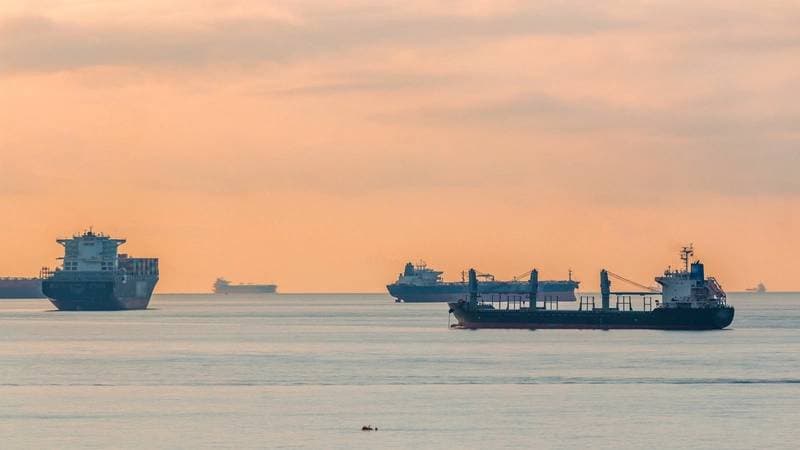
Japanese shipping industry stakeholders have reacted positively to the recent peace agreement between the United States and Iran, which is expected to facilitate the reopening of the Strait of Hormuz. Despite the welcome news, the industry is exercising caution, indicating that more specific details regarding the agreement's implementation are needed. Furthermore, a crucial prerequisite for resuming normal shipping operations through the strait is the confirmed clearance of any potential naval mines.
For freight forwarders and operations managers, this development carries significant implications. The Strait of Hormuz is a vital maritime chokepoint for global oil and gas shipments, and its closure or restricted access has historically led to increased transit times, higher fuel costs, and elevated war risk insurance premiums. The reopening, once fully confirmed and deemed safe, could lead to a reduction in these additional costs and improve schedule reliability for vessels transiting the region. However, until explicit assurances are provided regarding security and mine clearance, forwarders should continue to monitor the situation closely and factor in potential delays or alternative routing considerations.
The immediate next steps involve the release of more comprehensive information about the US-Iran agreement and verification by international maritime authorities that the strait is safe for commercial navigation.