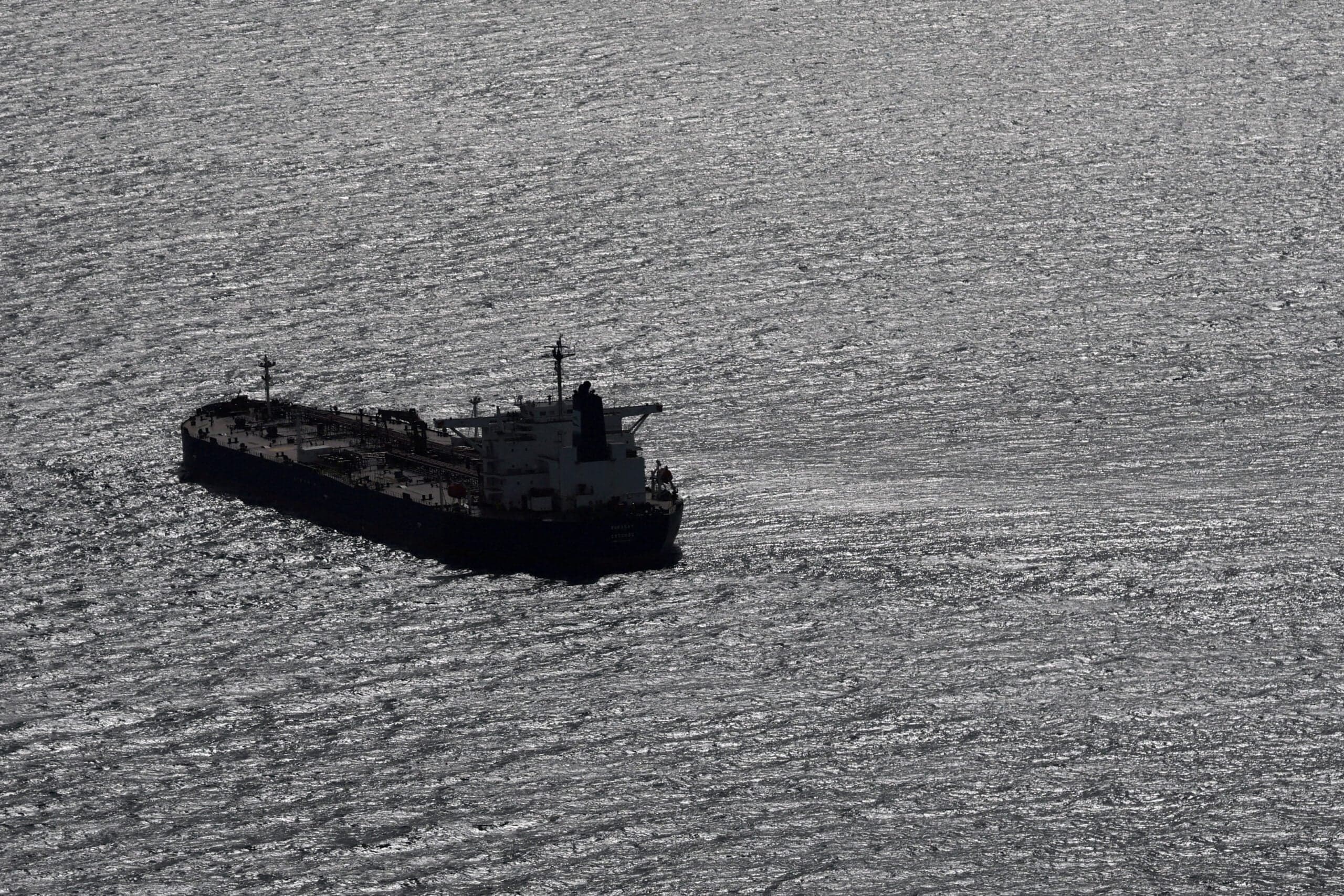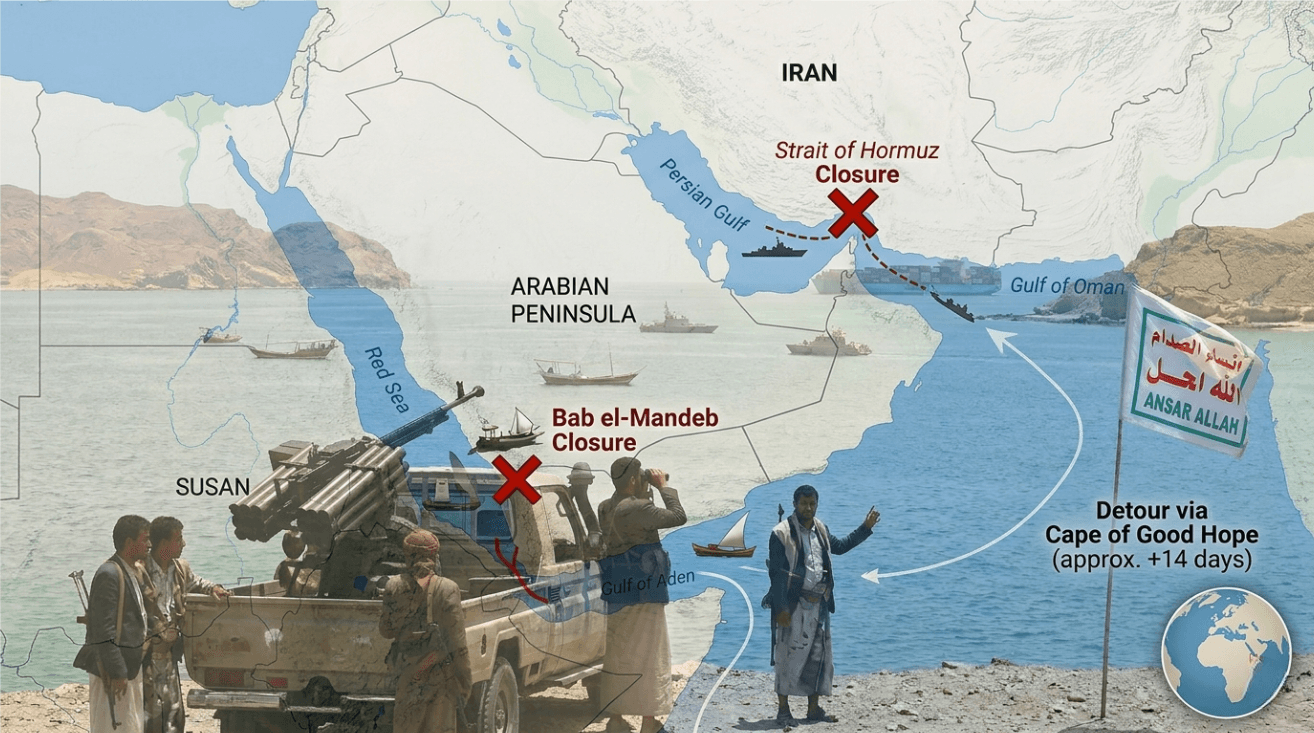
Yemen's Houthi movement announced a comprehensive ban on all Israeli-affiliated vessels from navigating the Red Sea, effective June 8. This development introduces a second major maritime chokepoint, compounding the existing challenges posed by the Strait of Hormuz blockade, which has been ongoing for four months. The combined impact of these two disruptions is projected to affect approximately 12% of worldwide trade.
For freight forwarders and operations managers, this ban signifies increased uncertainty and potential for significant delays on critical East-West trade lanes. Vessels with any perceived connection to Israel may face rerouting, leading to longer transit times and higher fuel costs. The elevated risk in the Red Sea will likely result in further increases in war risk premiums and overall freight rates, impacting profitability and requiring adjustments to pricing strategies for shippers. Capacity could also be strained as carriers evaluate alternative routes, potentially leading to blank sailings or service adjustments.