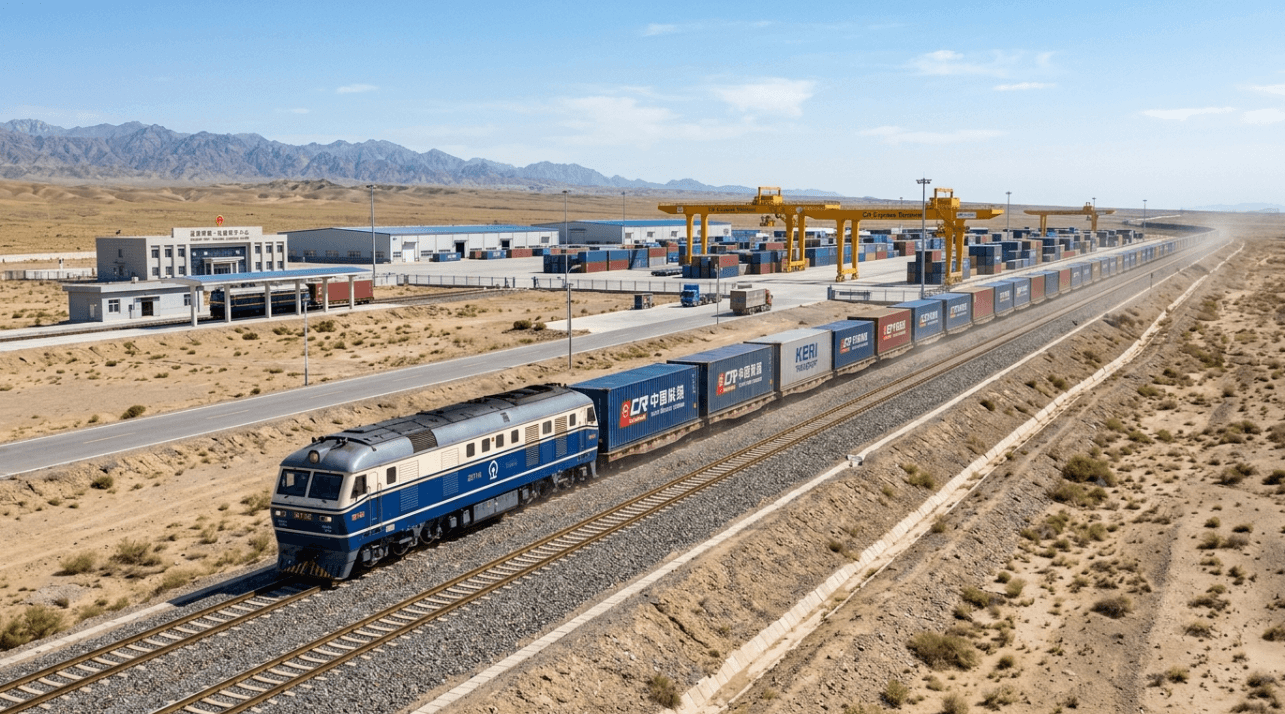
China is significantly expanding its rail freight network across Central Asia, a strategic initiative designed to reduce its reliance on traditional sea lanes. This expansion includes the establishment of a new route through Turkmenistan, which is part of a broader effort to strengthen supply chain resilience.
This development comes as China seeks to mitigate risks associated with an uncertain geopolitical environment, where maritime routes can be subject to various disruptions. By diversifying its transport corridors, China aims to ensure more stable and secure trade flows for its goods.
For freight forwarders and shippers, this expansion presents new opportunities for cargo movement between China and Central Asian countries. These rail routes could offer an alternative to ocean shipping, potentially leading to more predictable transit times and less exposure to maritime-related delays or geopolitical tensions affecting sea lanes. It may also influence modal split decisions for certain types of cargo, particularly those with higher value or time-sensitive requirements.
While the article does not specify immediate next steps, the ongoing investment in rail infrastructure suggests a continued focus on developing land-based trade corridors, which could lead to further integration and increased capacity in the coming years.