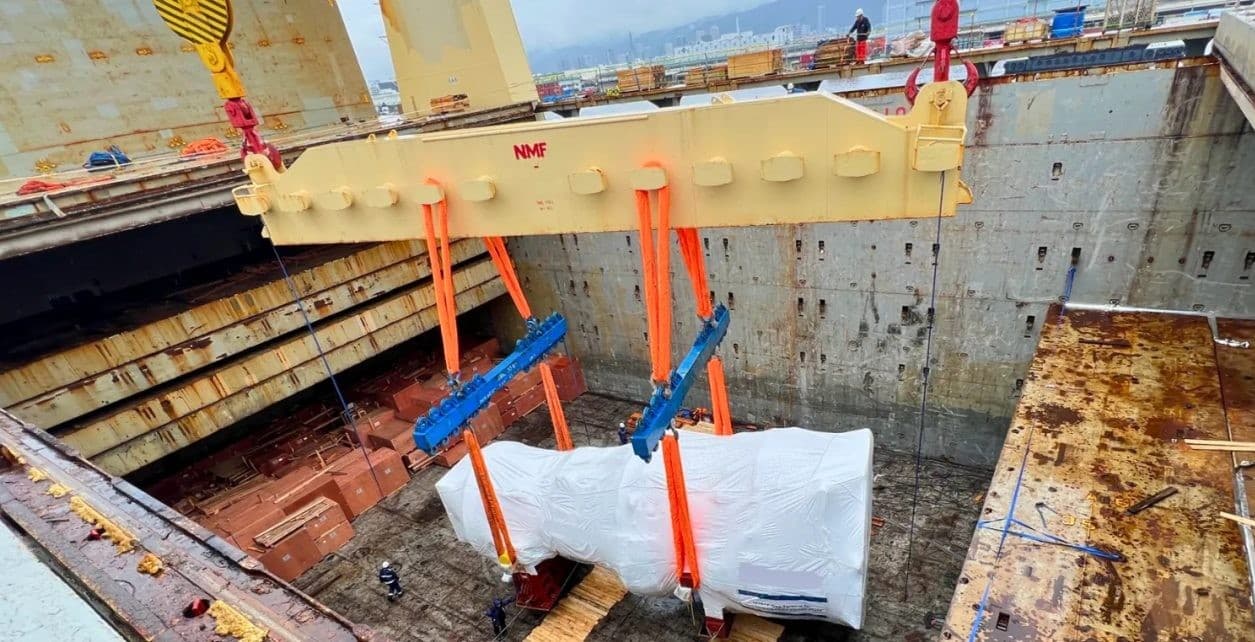
CEVA Logistics recently completed the delivery of two 425-tonne Mitsubishi turbines to a power plant in Malaysia, overcoming significant logistical challenges posed by instability in the Middle East. The original vessel charter was cancelled mid-campaign due to regional disruptions, necessitating a rapid re-chartering effort to maintain the project schedule.
This event underscores the complex and unpredictable environment currently facing project cargo operators, particularly those transiting through the Middle East. The need for agile decision-making and contingency planning has become paramount in managing high-value, time-sensitive heavy-lift shipments.
For freight forwarders and operations managers, this case exemplifies the critical importance of robust risk assessment and flexible execution strategies for project cargo. The potential for sudden route changes, vessel cancellations, and increased operational costs due to geopolitical events in key transit regions like the Middle East is a growing concern. Forwarders must be prepared to quickly source alternative capacity and adjust routing to mitigate delays and financial impacts for their clients.
The successful delivery by CEVA Logistics, despite the mid-campaign disruption, demonstrates the adaptability required in the current global logistics landscape. It suggests that such rerouting and re-chartering efforts may become a more common occurrence for complex heavy-lift projects in volatile areas.