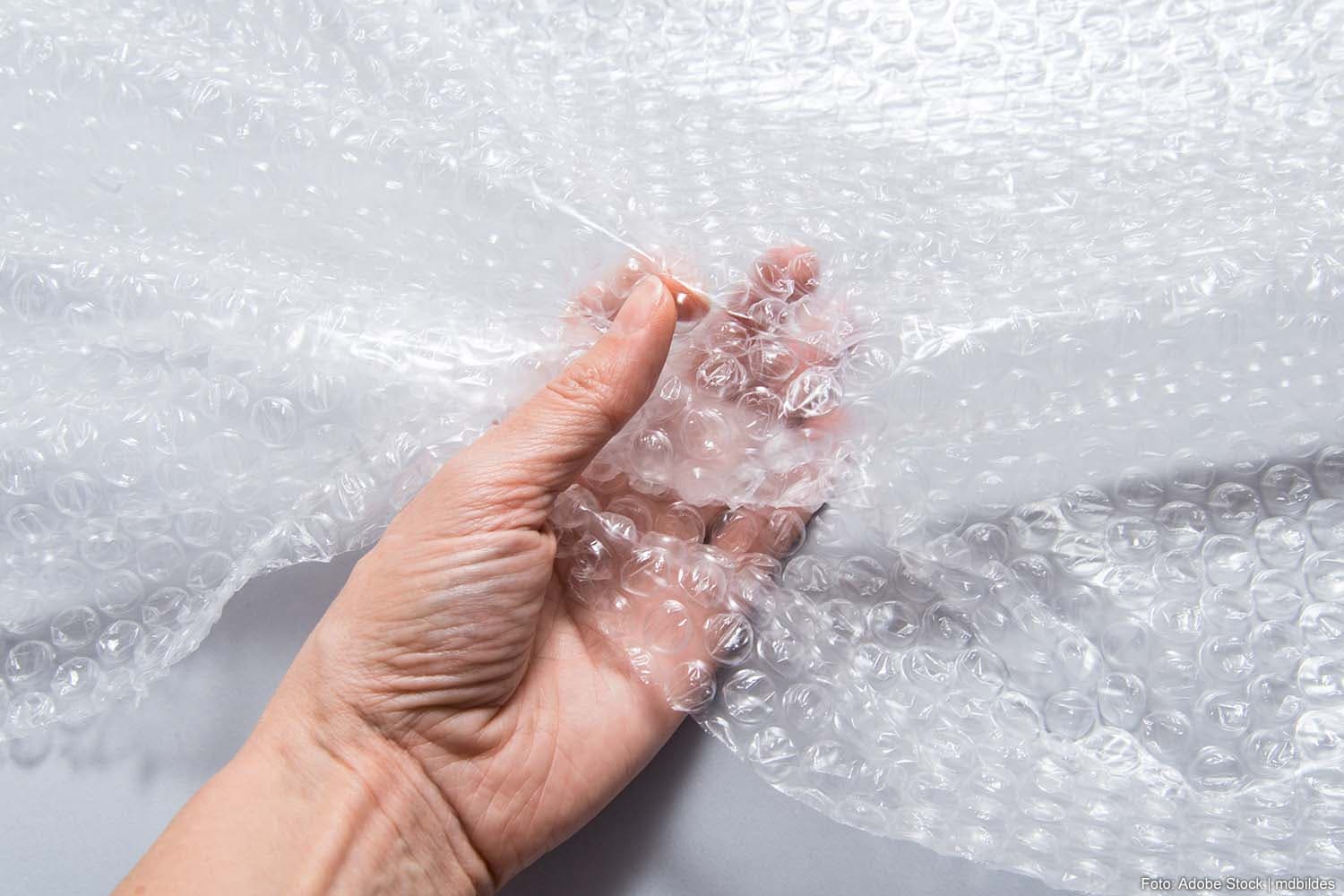
In the evolving market of protective packaging, where air cushion systems, recycled paper, and biodegradable foam peanuts offer various alternatives, bubble wrap consistently remains the preferred choice for safeguarding fragile cargo. Logistics professionals, freight forwarders, and fulfillment companies frequently select this material for sensitive items, indicating a deliberate decision rather than mere habit.
This continued preference stems from bubble wrap's established effectiveness in cushioning and protecting goods against impacts and vibrations during transport. Its versatility and ability to conform to various shapes make it suitable for a wide range of products.
For freight forwarders and operations managers, the reliability of bubble wrap translates into reduced cargo damage claims and improved customer satisfaction. While other packaging options may offer environmental benefits or specific functionalities, bubble wrap's consistent performance in preventing damage often outweighs these considerations for highly fragile shipments. Its widespread availability and relatively low cost also contribute to its appeal, making it an efficient choice for managing packaging expenses.