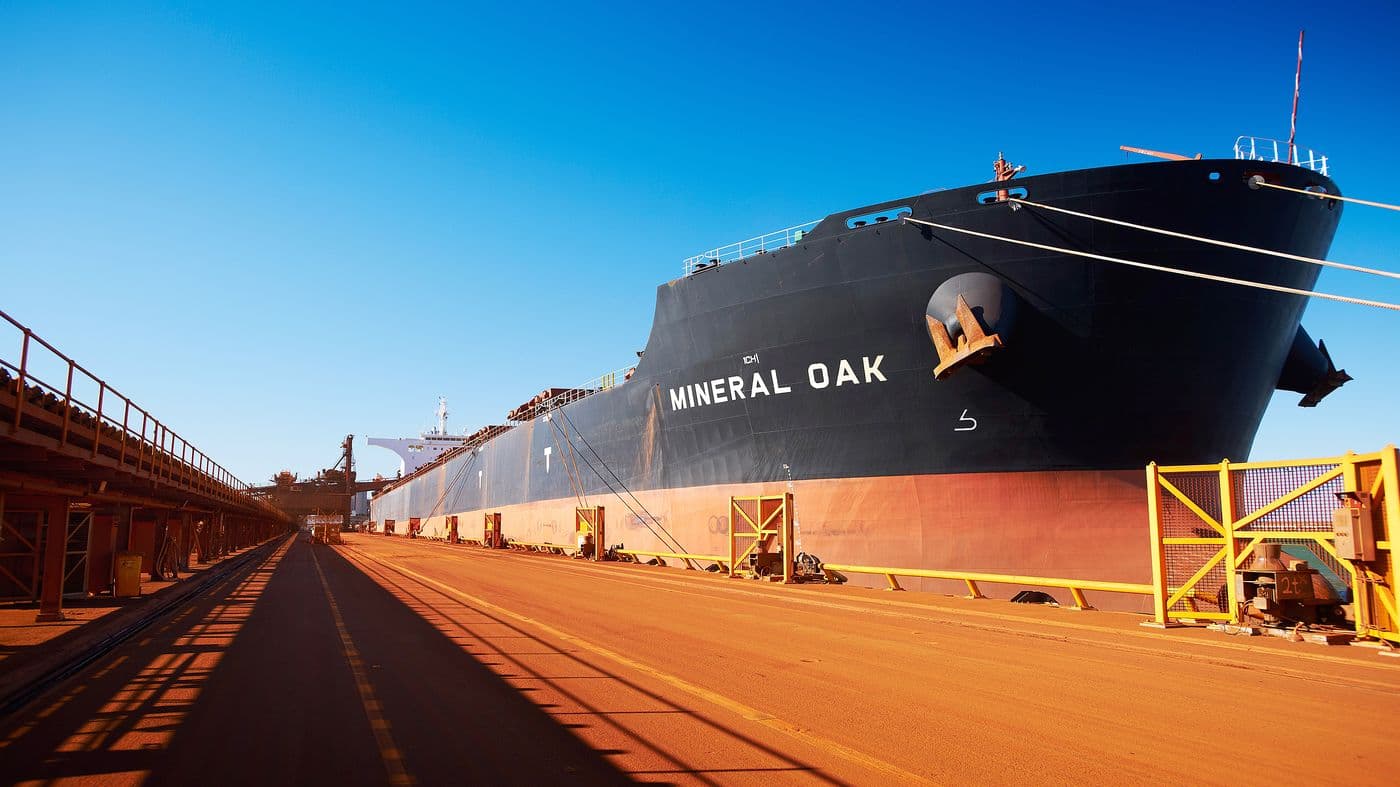
Australian ports are increasingly adopting Dynamic Under Keel Clearance (DUKC) systems to enhance the safety and efficiency of vessel transits. This technology functions as a navigational aid, meticulously managing the space between a ship's keel and the seabed. By continuously monitoring and predicting environmental conditions such as tides, currents, and wave action, DUKC ensures that every vessel maintains sufficient under-keel clearance throughout its journey within port limits.
For freight forwarders and operations managers, the widespread implementation of DUKC systems in Australian ports signifies improved schedule reliability and reduced risks of delays due to tidal restrictions or adverse weather. This dynamic management allows for more precise planning of vessel movements, potentially enabling larger vessels to access ports or existing vessels to operate with greater flexibility. The enhanced safety also mitigates potential incidents that could lead to cargo damage or port closures, offering greater predictability in supply chain operations. It also means that ports can potentially handle vessels with deeper drafts, increasing cargo capacity per call.
While the article does not specify future developments, the trend suggests a continued focus on technological solutions to optimize port operations and maritime safety across Australia.