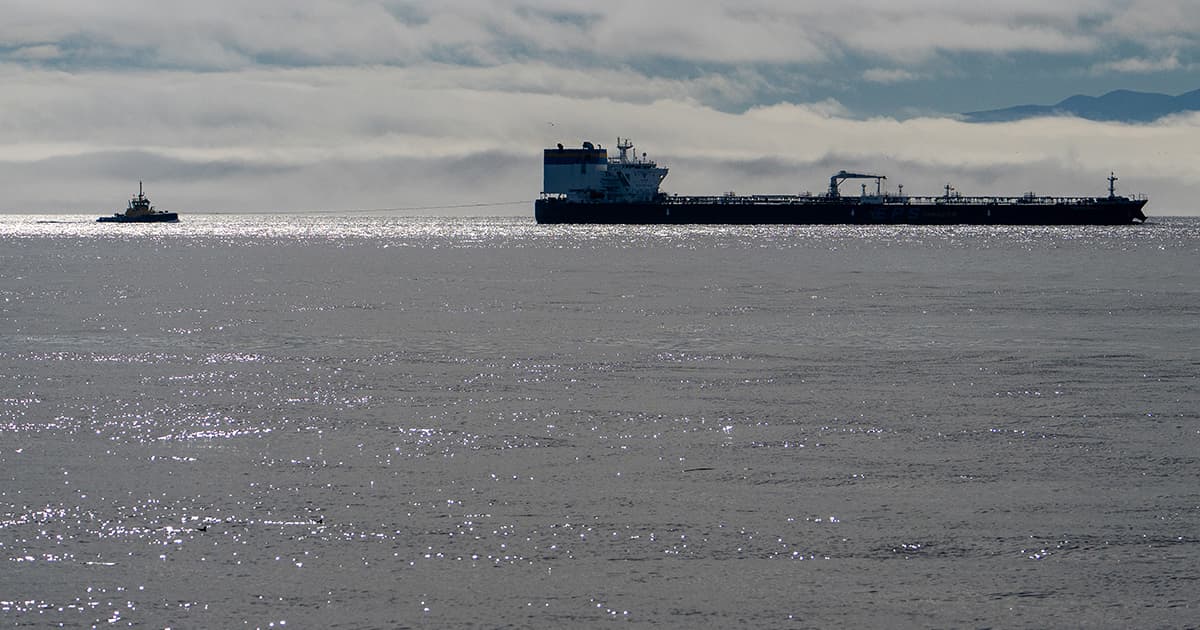
Global tanker markets generally experienced a decline in freight rates during late May, affecting VLCC, Suezmax, and Aframax segments. This broad market weakness was attributed to a structural oversupply of vessels and an increased number of ballast ships. While some routes, such as Cross-Med Aframaxes and MEG-Japan LR2s, maintained stable rates, the MR product tanker sector exhibited a notable divergence.
Specifically, freight rates for MR product tankers on the UKC-USAC (UK Continent to US Atlantic Coast) route saw a weakening trend. Conversely, the USG-UKC (US Gulf to UK Continent) benchmark rates surged significantly. This split indicates distinct supply and demand dynamics within different Atlantic MR tanker trade lanes, likely influenced by regional refinery output, product inventories, and vessel positioning.
For freight forwarders and operations managers, this divergence means that while the overall tanker market might appear soft, specific product tanker routes can still experience considerable rate volatility and upward pressure. Forwarders handling refined petroleum products on USG-UKC routes should anticipate higher shipping costs and potentially tighter capacity. Conversely, those on UKC-USAC routes might find more favorable conditions. Monitoring these specific trade lanes and their underlying drivers is crucial for accurate rate forecasting and capacity planning.