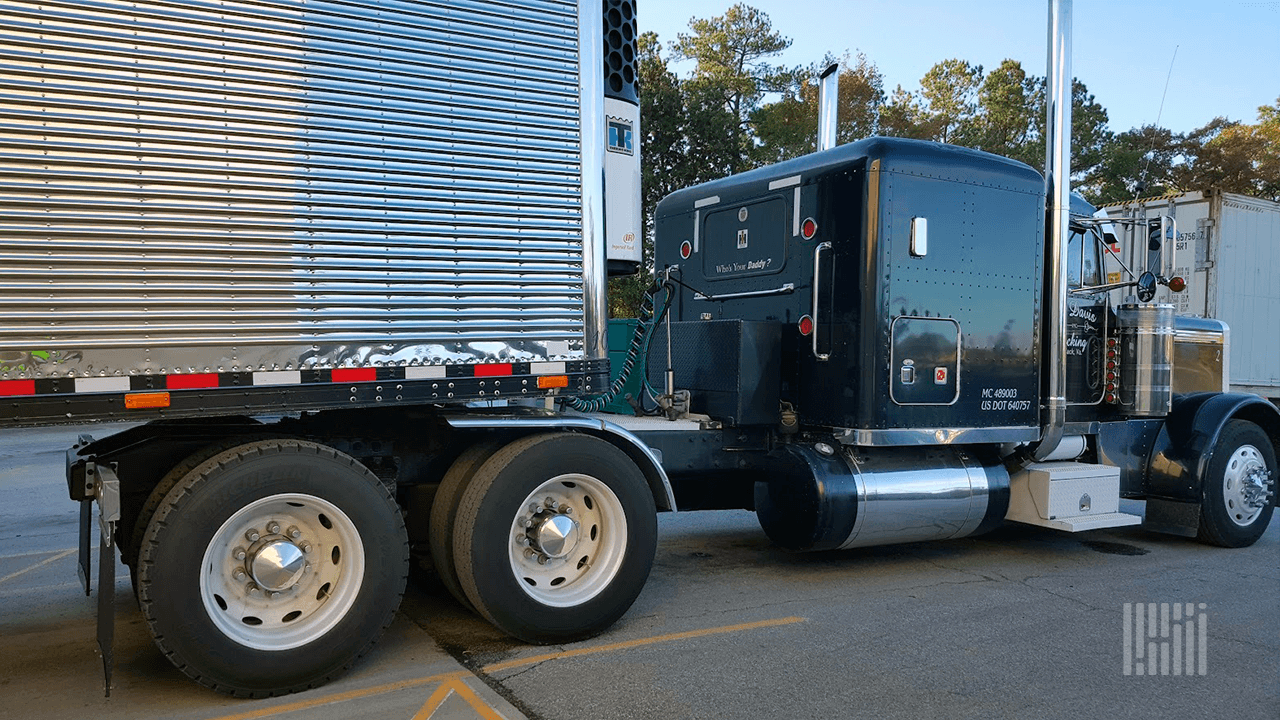
The American trucking industry is currently confronting a substantial issue with its long-haul driver workforce. A long-standing industry narrative, which assumed drivers would readily accept extended periods away from home, is being challenged by contemporary driver preferences. Many drivers now prioritize being home more frequently, often by the weekend, and are less inclined to spend weeks sleeping in their cabs.
This evolving preference among drivers highlights a disconnect within the industry. Historically, the trucking model heavily relied on drivers willing to undertake lengthy trips, often spanning multiple weeks. However, the current generation of drivers is increasingly seeking a better work-life balance, making traditional long-haul routes less appealing.
For freight forwarders and operations managers, this trend signifies potential impacts on road freight capacity and transit times for cross-country shipments. The scarcity of drivers willing to cover long distances could lead to increased costs for these specific routes, longer lead times for deliveries, and potentially a greater reliance on intermodal solutions where feasible. Forwarders may need to adjust their planning to account for these driver availability constraints, possibly exploring more regionalized trucking networks or optimizing loads for shorter hauls that can be combined.
Should this trend continue, the industry may need to adapt its operational models, potentially by restructuring routes to allow for more frequent home time, increasing compensation for long-haul assignments, or investing further in autonomous trucking technologies to mitigate the human driver shortage.