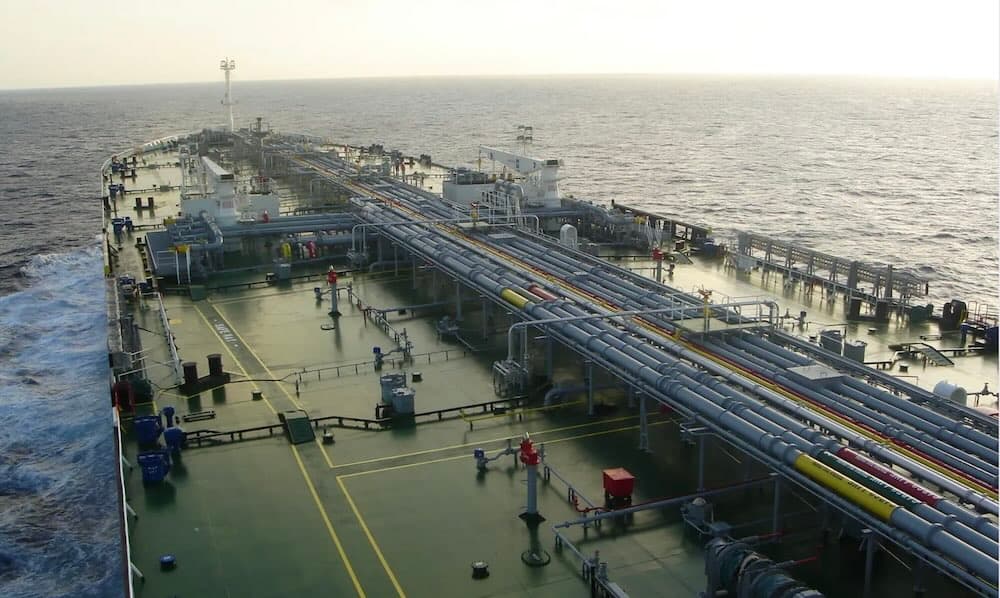
Reports indicate that a deal to facilitate the reopening of the Strait of Hormuz is approaching finalization. This waterway is globally recognized as a vital chokepoint for international maritime trade, particularly for oil shipments.
Despite the reported proximity to an agreement, public communications from the various parties involved do not reflect a unified stance. This discrepancy suggests that while discussions may be advanced, significant hurdles or points of contention could still exist before a formal resolution is reached and publicly announced.
For freight forwarders and shippers, the status of the Strait of Hormuz is of paramount importance. A definitive reopening, or any change in its operational status, directly influences transit times, insurance premiums, and routing decisions for vessels traversing the Middle East. Increased stability and predictable access through the Strait would likely lead to reduced operational risks and potentially lower shipping costs for cargo moving through the Persian Gulf region. Conversely, continued uncertainty or any escalation could necessitate alternative, longer routes, impacting supply chain efficiency and reliability.