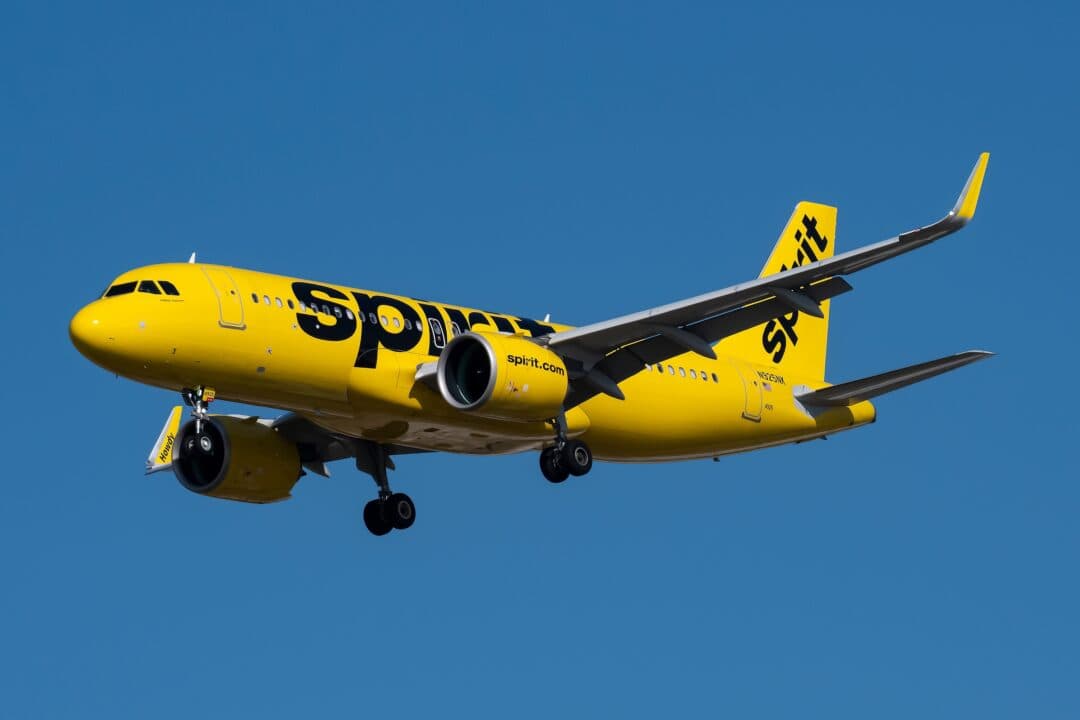
The recent bankruptcy of Spirit Airlines is creating substantial ripple effects throughout the aftermarket for narrowbody aircraft engines. This impact is most pronounced within the Airbus A320-family ecosystem, an area already experiencing considerable strain regarding the availability of spare engines, the capacity of maintenance shops, and the timelines for lease transitions.
This situation is not merely a fleet restructuring for the airline but fundamentally an issue concerning engine assets. The sudden influx of engines from Spirit's fleet into the market, combined with the airline's operational cessation, disrupts the delicate balance of supply and demand for these critical components.
For freight forwarders and logistics professionals involved in air cargo, this development could indirectly affect air cargo capacity and operational costs. While Spirit Airlines primarily operated passenger services, a shift in the availability and cost of narrowbody engines could influence the broader aviation market, potentially impacting the operational efficiency and fleet decisions of cargo carriers utilizing similar aircraft types or engine models. Increased maintenance costs or delays for passenger-to-freighter conversions involving A320 family aircraft might also be observed.
The full extent of the market adjustment is still unfolding, with industry stakeholders closely monitoring how the increased supply of engines will be absorbed and what long-term effects it will have on pricing and service availability.