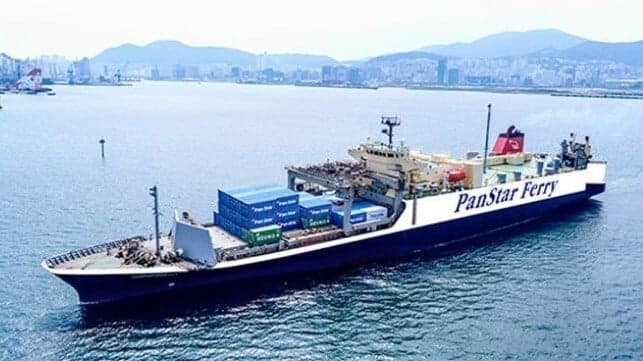
South Korea has tentatively designated a smaller container shipping firm to undertake a trial journey through the Arctic region. This strategic move is part of the nation's broader effort to assess the feasibility and operational challenges of utilizing the Northern Sea Route (NSR) for commercial maritime traffic. The selection of a smaller carrier for this exploratory mission suggests a cautious approach to understanding the unique demands of Arctic navigation, including ice conditions, environmental regulations, and logistical support.
This development is significant for freight forwarders and supply chain planners. A successful and economically viable Arctic route could offer a considerably shorter transit time between Asia and Europe compared to traditional routes via the Suez Canal. This reduction in transit time could lead to lower fuel costs, faster delivery of goods, and potentially lower freight rates on specific lanes. However, forwarders would also need to consider the specialized vessel requirements, potential insurance implications, and the inherent risks associated with operating in extreme Arctic conditions, including unpredictable weather and limited infrastructure.
If the trial proves successful and scalable, it could introduce a new dynamic to global shipping networks, offering an alternative to congested southern routes. This could lead to shifts in vessel deployment strategies and port calls, ultimately providing more diverse routing options for shippers.