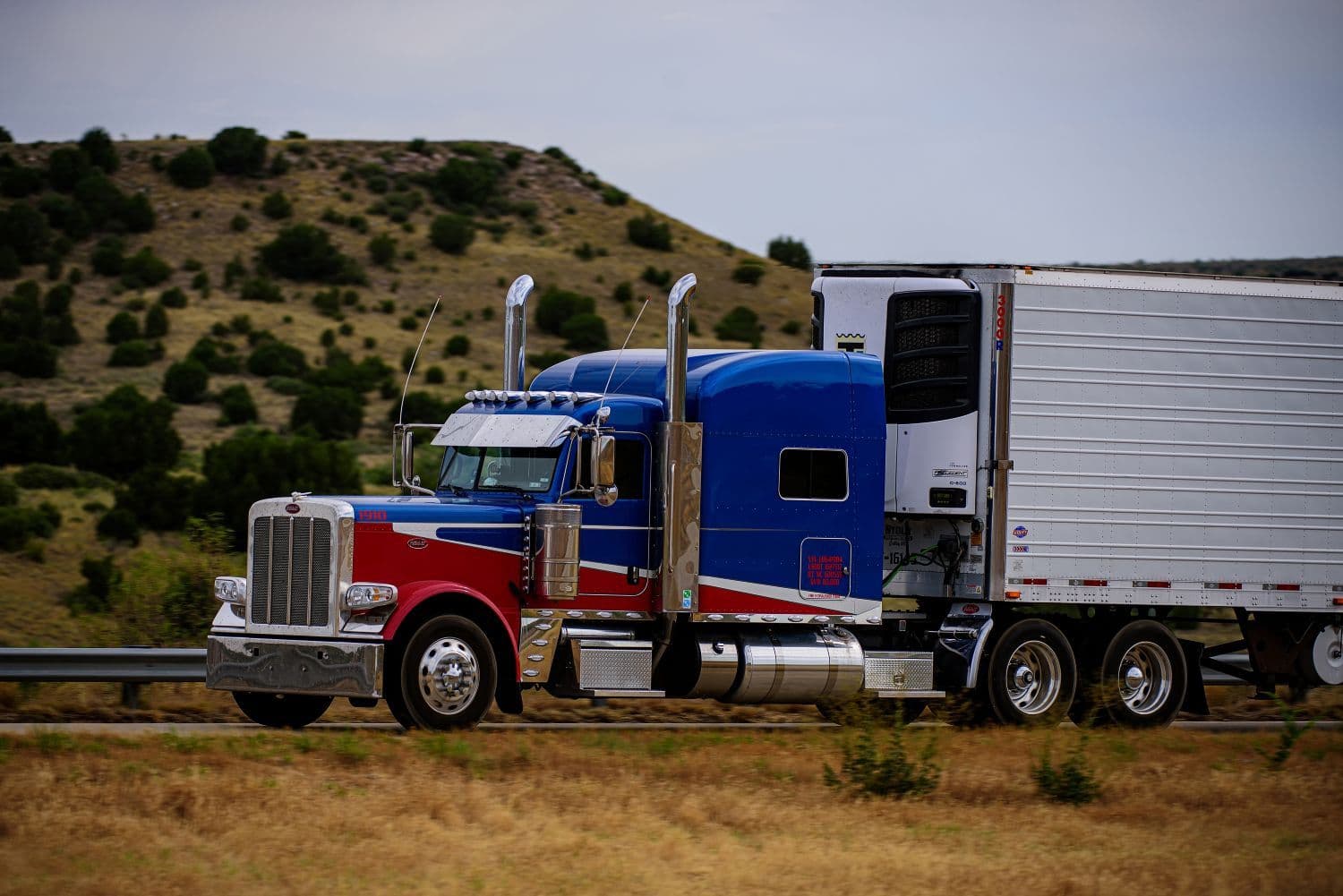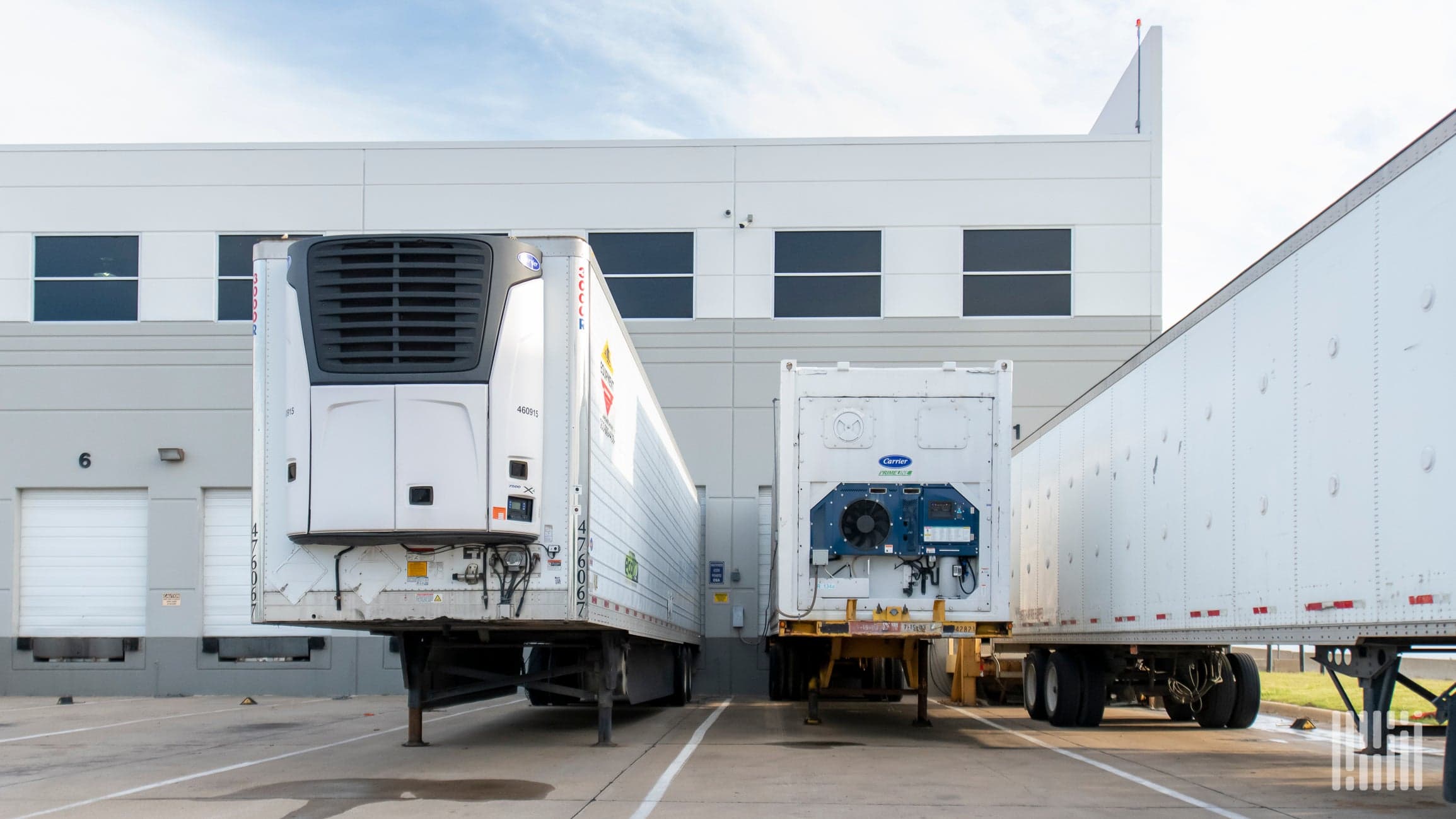
The increase in U.S. road freight movement, which began in late April 2026 and intensified through May, is largely attributed to shippers expediting imports. This activity is a direct response to anticipated tariff hikes on goods from China and Mexico, rather than an indication of an organic rebound in market demand.
This trend suggests that companies are strategically moving cargo to circumvent higher costs that could be imposed by new trade policies. The current boost in freight volume is therefore a short-term, artificial spike driven by regulatory concerns, contrasting with a sustained recovery fueled by consumer purchasing.
For freight forwarders and operations managers, this situation means a temporary increase in available loads, particularly in the spot market. However, it also implies that this heightened activity may not be sustainable once the tariff deadlines pass or new policies are enacted. Forwarders should be cautious about interpreting this as a long-term market recovery and plan for potential fluctuations once the front-loading effect subsides. Capacity might tighten temporarily on key lanes originating from port cities handling Chinese and Mexican imports.
While the source does not explicitly state what happens next, the implication is that freight volumes could normalize or even dip after the tariff-driven front-loading period concludes, as shippers would have already moved a significant portion of their inventory.