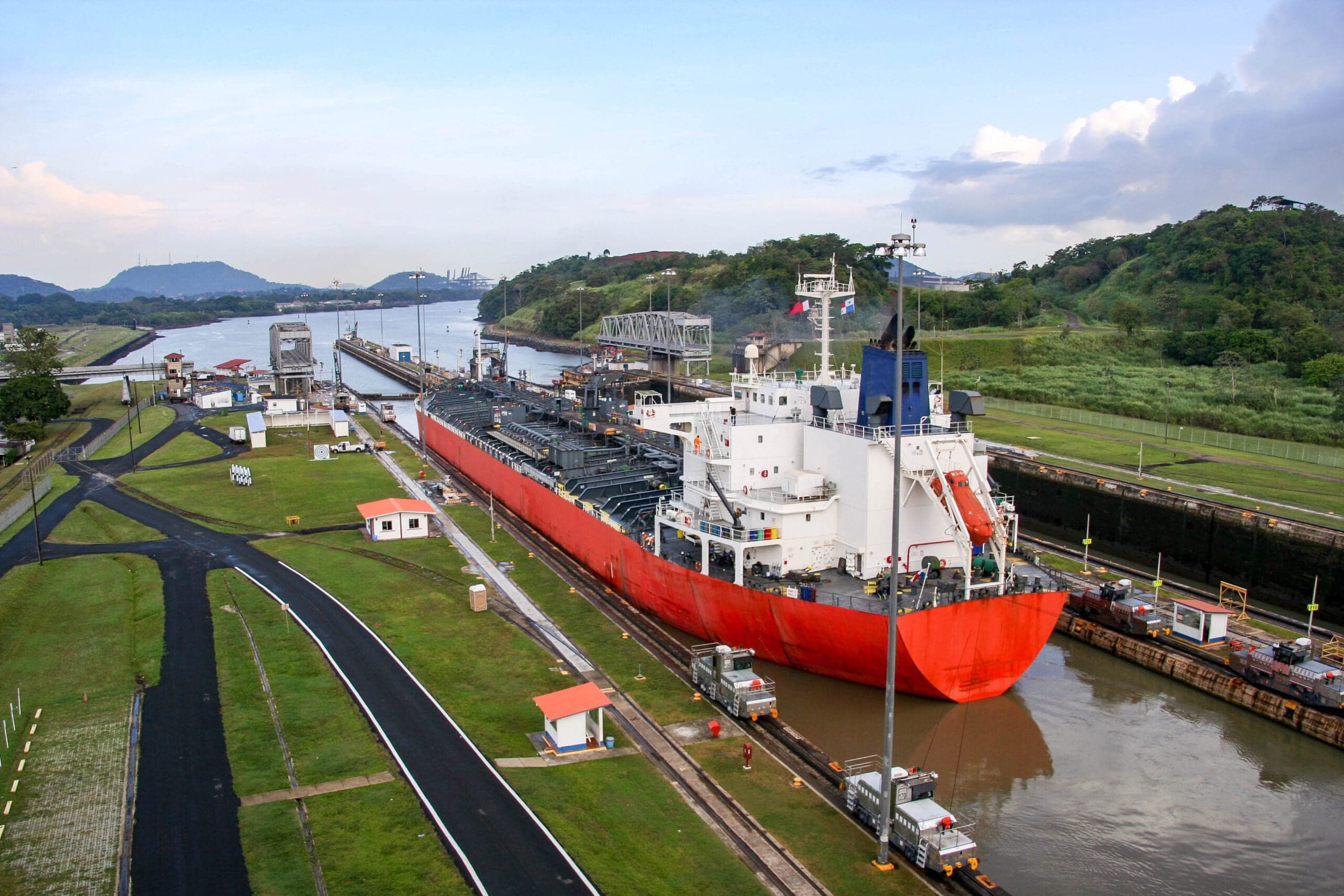
Traffic through the Panama Canal is experiencing a notable increase, nearing its operational capacity. This surge is primarily driven by a rise in energy exports from the United States, which are increasingly being directed towards markets in Asia and the Pacific region.
The underlying cause for this shift is ongoing disruption in the Strait of Hormuz. The instability in this critical Middle Eastern waterway has prompted shippers to seek alternative, more secure routes for energy commodities, with the Panama Canal emerging as a preferred option for connecting U.S. supply with Asian demand.
For freight forwarders and operations managers, this development signals potential for increased transit times and higher booking costs through the Panama Canal. As the canal approaches capacity, slot availability may become tighter, requiring earlier booking and potentially leading to delays for vessels not carrying priority cargo. Shippers of energy products, in particular, should anticipate sustained demand for canal transits, which could impact overall logistics planning and budgeting for these routes.