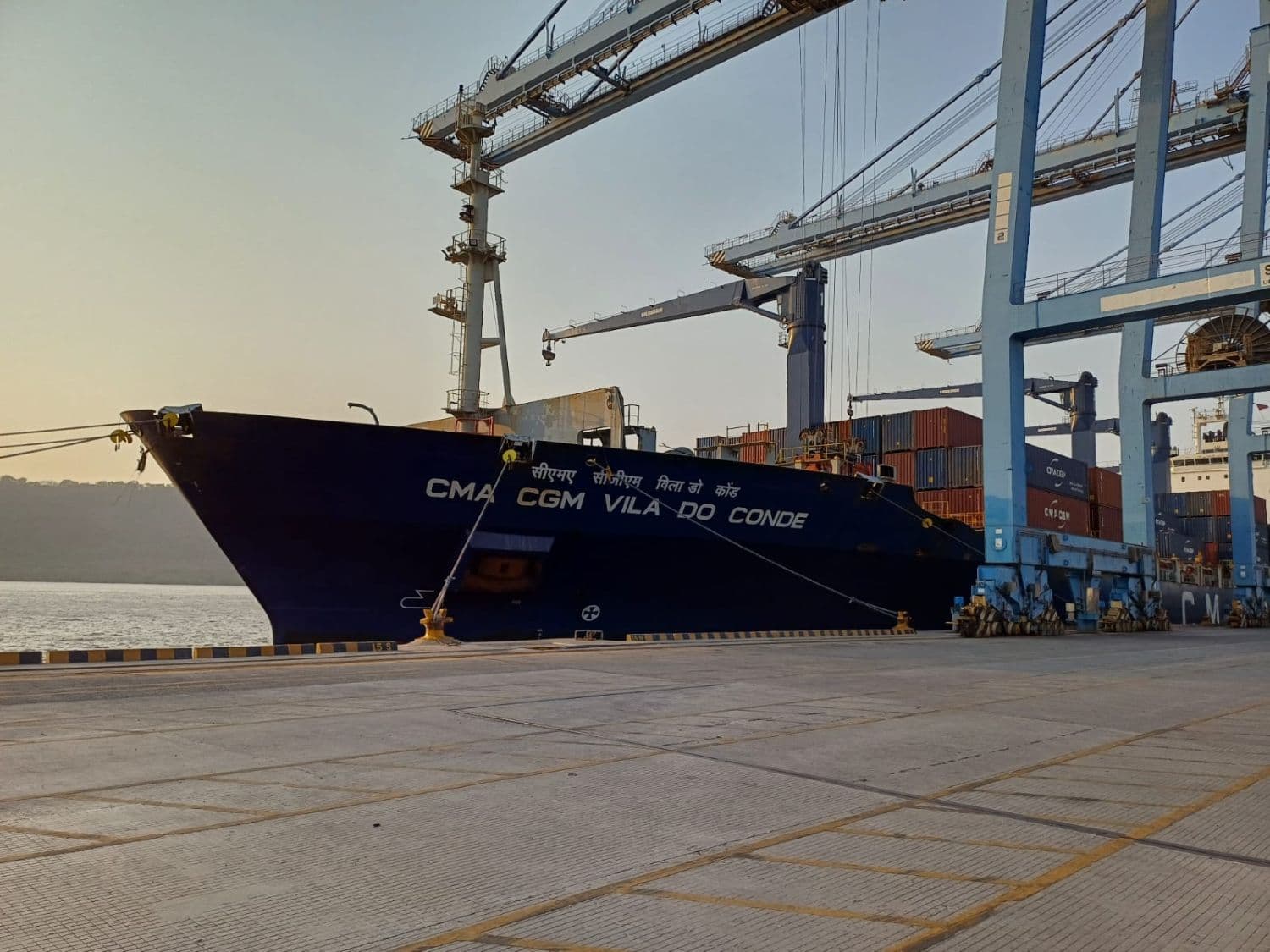
Container shipping services connecting the Middle East and India are reportedly resuming normal operations following a period of significant disruption. Ports in the United Arab Emirates, specifically Khor Fakkan and Fujairah, along with Sohar in Oman, had previously imposed restrictions on carriers, limiting them to handling only import cargo. This measure was a direct response to severe congestion issues, characterized by a lack of available yard space and difficulties in evacuating cargo from the port areas.
The initial restrictions were implemented due to the operational challenges created by geopolitical events, which led to a backlog of containers and strained port infrastructure. The inability to efficiently move cargo out of these key regional hubs forced carriers to adjust their service patterns, impacting the flow of goods to and from India.
For freight forwarders and shippers, the resumption of two-way traffic signifies a positive development. It indicates an improvement in port fluidity and a reduction in potential delays for export shipments originating from these Middle Eastern ports. This easing of congestion should lead to more predictable transit times and potentially alleviate some pressure on supply chains operating on this trade lane. Forwarders can now expect greater flexibility in booking both import and export cargo, which may help stabilize rates and improve overall service reliability.
While the source indicates an easing of conditions, ongoing monitoring of port operations and potential geopolitical shifts remains crucial for maintaining smooth logistics flows in the region.