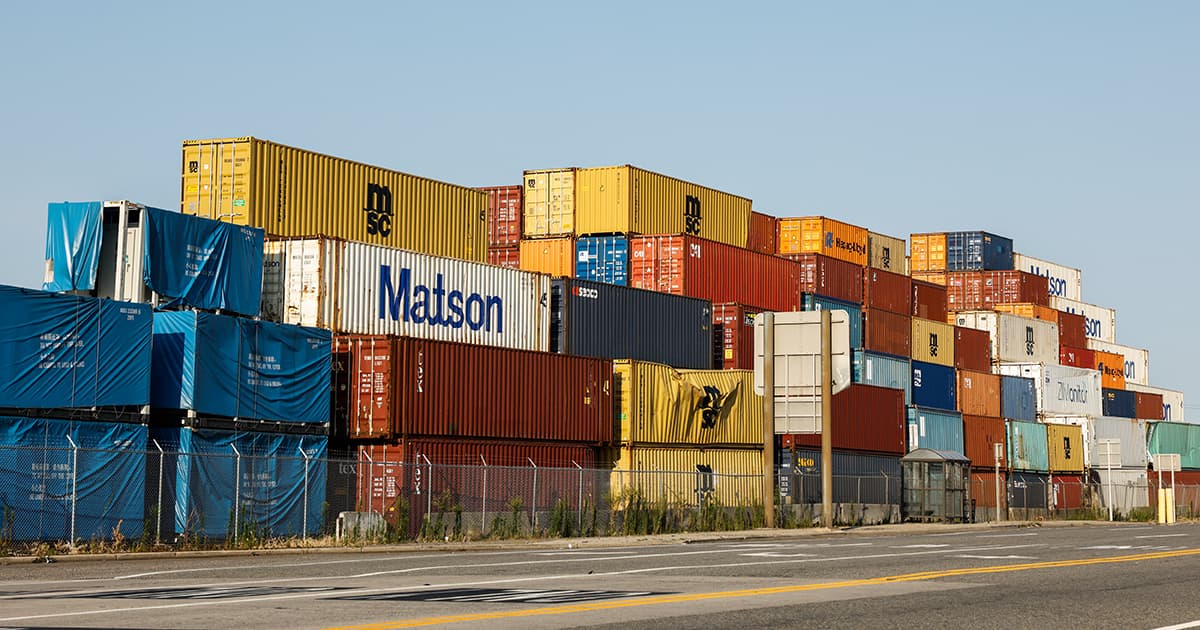
Matson, a prominent U.S. ocean carrier, has observed a notable trend of cargo shifting from air freight to ocean shipping. This conversion is primarily a result of the current landscape of elevated air cargo costs and a reduction in available air freight capacity across certain markets, as stated by CEO Matthew Cox.
This situation suggests that shippers are seeking more cost-effective alternatives for their logistics needs, especially when air freight becomes prohibitively expensive or unavailable. The company's financial performance has benefited from these market dynamics.
For freight forwarders and operations managers, this trend indicates a potential increase in demand for ocean freight services, particularly on routes where air cargo has become less viable. It may lead to tighter ocean capacity on specific trade lanes and could influence ocean freight rates. Forwarders should monitor air cargo pricing and capacity constraints to advise shippers on optimal transport modes, potentially leveraging Matson's services for transpacific routes if applicable.