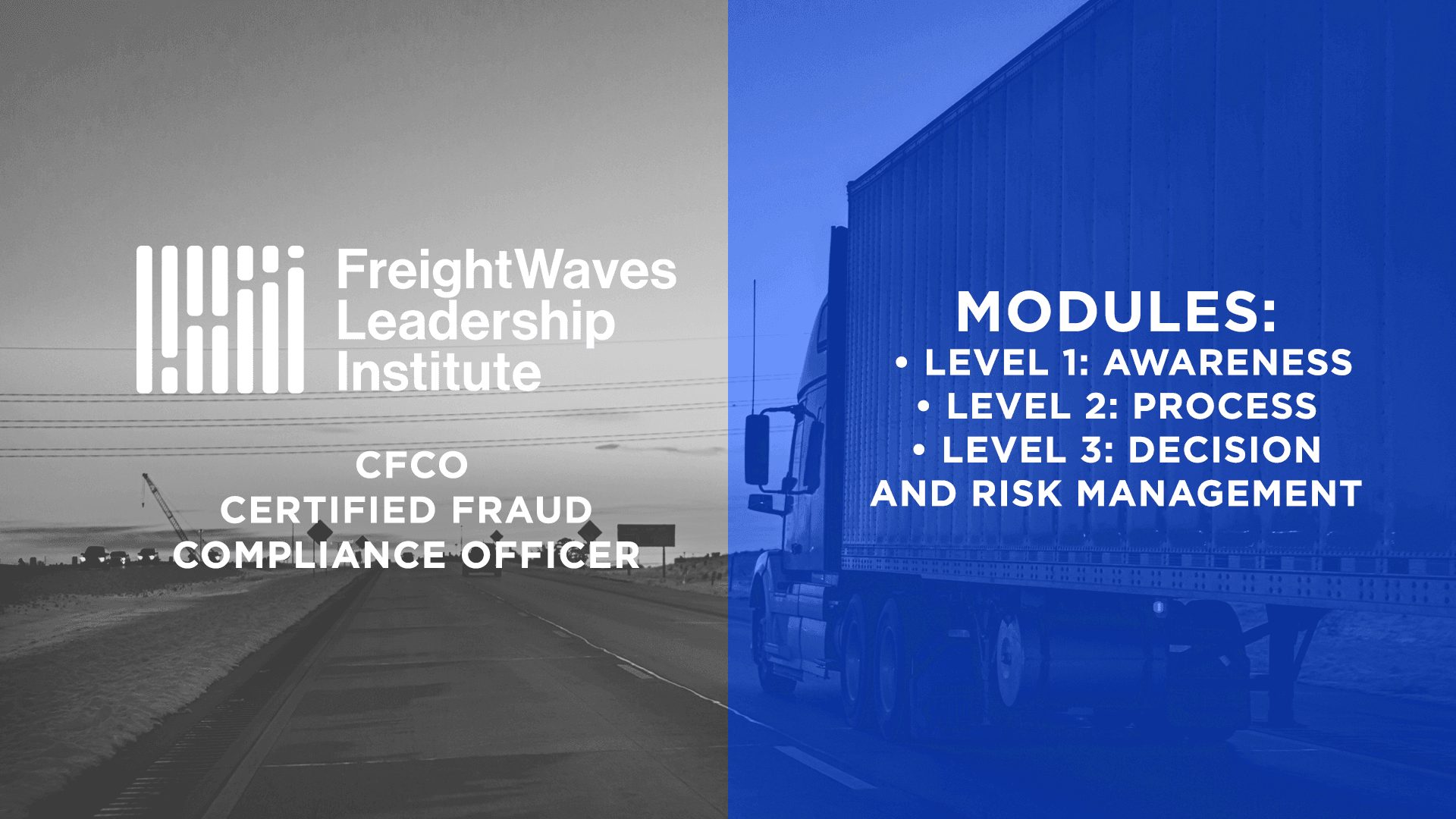
The freight industry is facing an escalating challenge from fraudulent activities, prompting a critical need for enhanced fraud prevention strategies. Historically, the sector has relied on intuition and technology, but these methods are proving insufficient against sophisticated fraud schemes. This situation mirrors the banking industry's experience years ago, which led to the establishment of dedicated compliance roles.
Banks developed comprehensive compliance frameworks, documented procedures, and repeatable verification processes to mitigate risk and ensure legal defensibility. The transportation sector is now at a similar juncture, requiring a proactive approach to combat fraud effectively. Implementing certified fraud compliance officers can provide the specialized expertise needed to identify, prevent, and respond to fraudulent activities.
For freight forwarders and operations managers, this development signifies a growing emphasis on due diligence and secure transactions. The absence of robust fraud prevention measures can lead to significant financial losses, operational disruptions, and reputational damage. Adopting certified compliance officers will help standardize fraud prevention efforts, improve vetting processes for partners and carriers, and strengthen contractual agreements. This proactive stance will not only protect individual businesses but also enhance the overall integrity and reliability of the supply chain.
Looking ahead, the industry is expected to see a greater demand for professionals with expertise in fraud compliance, potentially leading to new training and certification programs. This shift will likely result in more secure and transparent freight operations, ultimately benefiting all stakeholders by reducing exposure to financial crime.