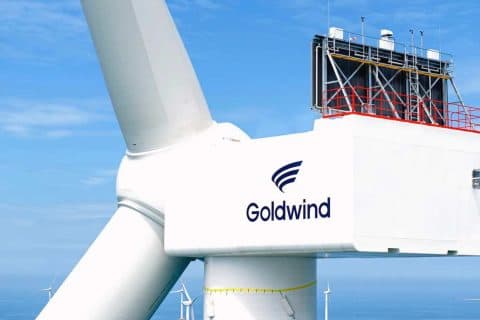
Europe is facing a critical decision regarding its offshore wind energy sector, potentially opening its market to Chinese turbine manufacturers. This consideration stems from significant increases in turbine prices and a scarcity of production capacity among European and other Western original equipment manufacturers (OEMs).
The primary driver for this potential policy change is the urgent need to achieve ambitious 2030 offshore wind development targets. With current supply chain limitations and cost pressures, meeting these goals with solely Western suppliers appears increasingly challenging. The debate is reignited despite ongoing geopolitical concerns about over-reliance on Chinese supply chains and potential cybersecurity vulnerabilities associated with foreign technology.
For freight forwarders and project logistics managers, this development could lead to a diversification of heavy-lift and breakbulk cargo flows. If Chinese turbines gain market access, it would likely result in increased demand for specialized shipping services from Asian manufacturing hubs to European project sites. This could impact vessel availability, port congestion at discharge points, and potentially influence freight rates for oversized cargo. Forwarders should monitor policy changes and anticipate new sourcing patterns for large components.
While the article does not specify immediate next steps, the discussion indicates that European policymakers and energy developers are actively evaluating options to de-risk their wind energy expansion plans. Any formal shift would likely involve a phased approach, possibly with initial pilot projects or specific tenders open to non-European suppliers.