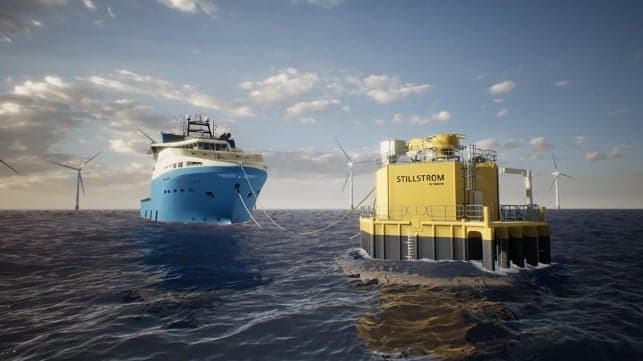
The European Union is providing financial support for a pilot project focused on developing and demonstrating offshore power zones. These zones are intended to serve as charging stations for vessels while they are at sea, rather than requiring them to return to port for power. The initiative seeks to advance the infrastructure necessary for the electrification of the maritime sector.
This project aligns with broader European goals to decarbonize shipping and reduce the environmental impact of maritime operations. By enabling vessels to recharge using renewable energy sources generated offshore, the EU aims to decrease reliance on fossil fuels and lower greenhouse gas emissions from the shipping industry.
For freight forwarders and supply chain managers, this development could signify a long-term transformation in vessel operational patterns and port logistics. Widespread adoption of offshore charging might alter traditional bunkering schedules, reduce port turnaround times for certain vessel types, and influence route planning. It could also contribute to a more resilient and sustainable supply chain, though initial implementation would likely be gradual and focused on specific routes or vessel categories.
While the source does not detail specific timelines or next steps, the funding of this pilot project indicates a commitment to exploring innovative solutions for maritime decarbonization, suggesting further research and development in this area.