Artificial intelligence (AI), along with various digital technologies and automation, is becoming a pivotal force in the civil engineering sector. These advancements are primarily serving as enablers, designed to augment and enhance the critical expertise of human professionals rather than to substitute them.
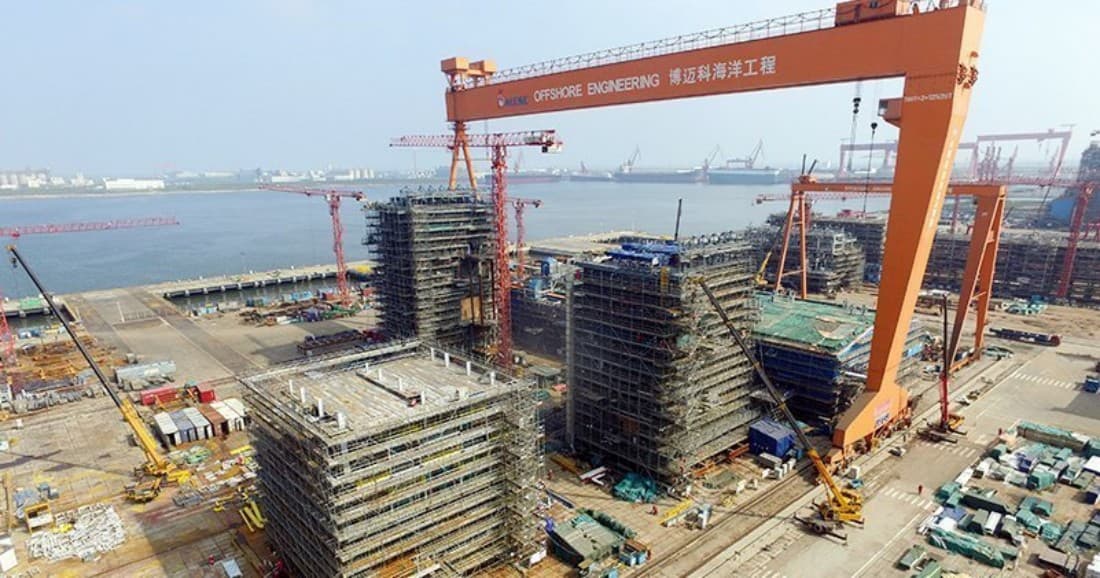
Currently, AI applications are widespread across several key areas within engineering. This includes sophisticated engineering design processes, meticulous project planning, efficient document control, and robust safety management systems. A significant application is in systems that continuously monitor operational risks and ensure worker safety, thereby reducing potential hazards and improving overall project security.
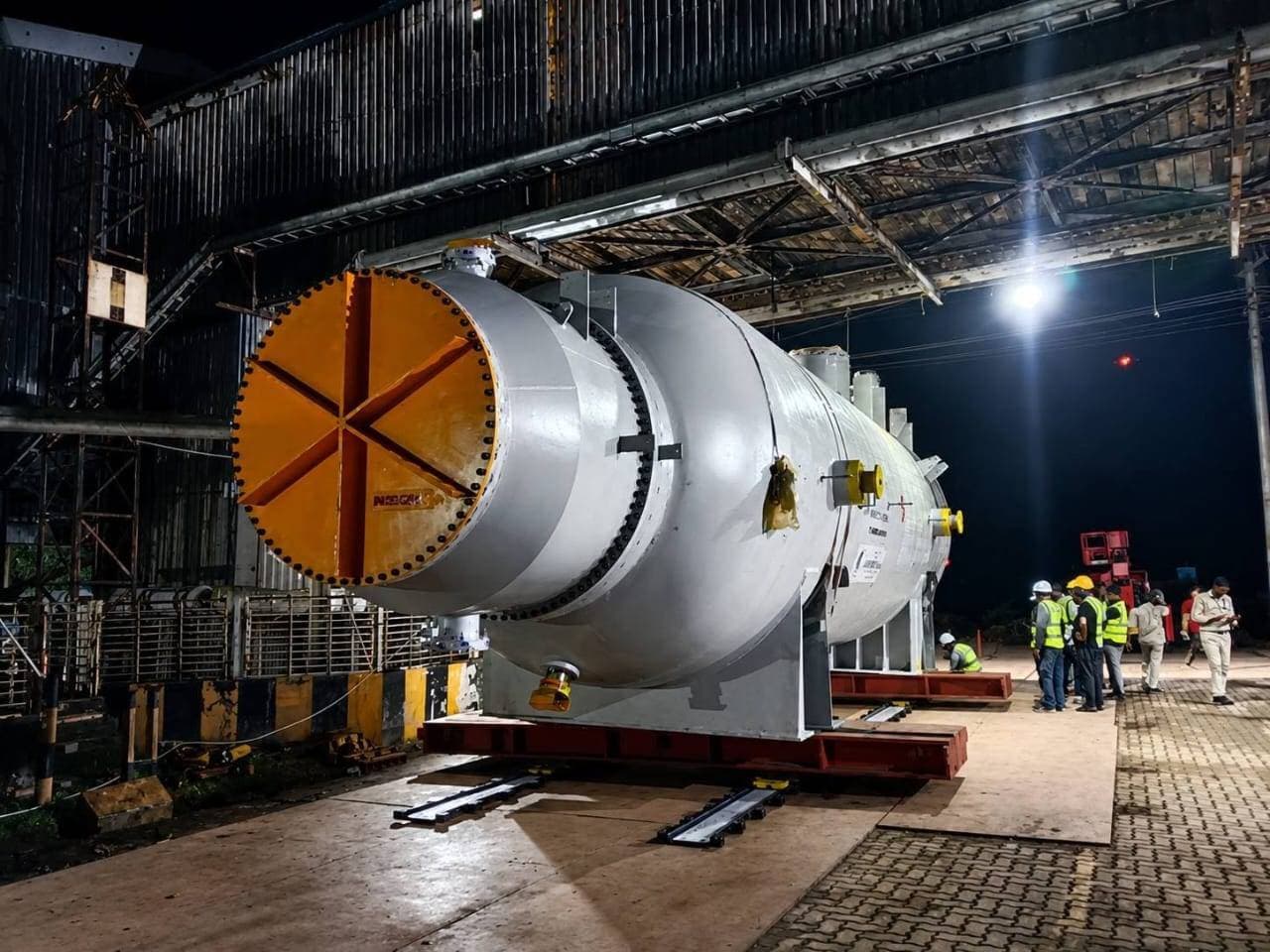
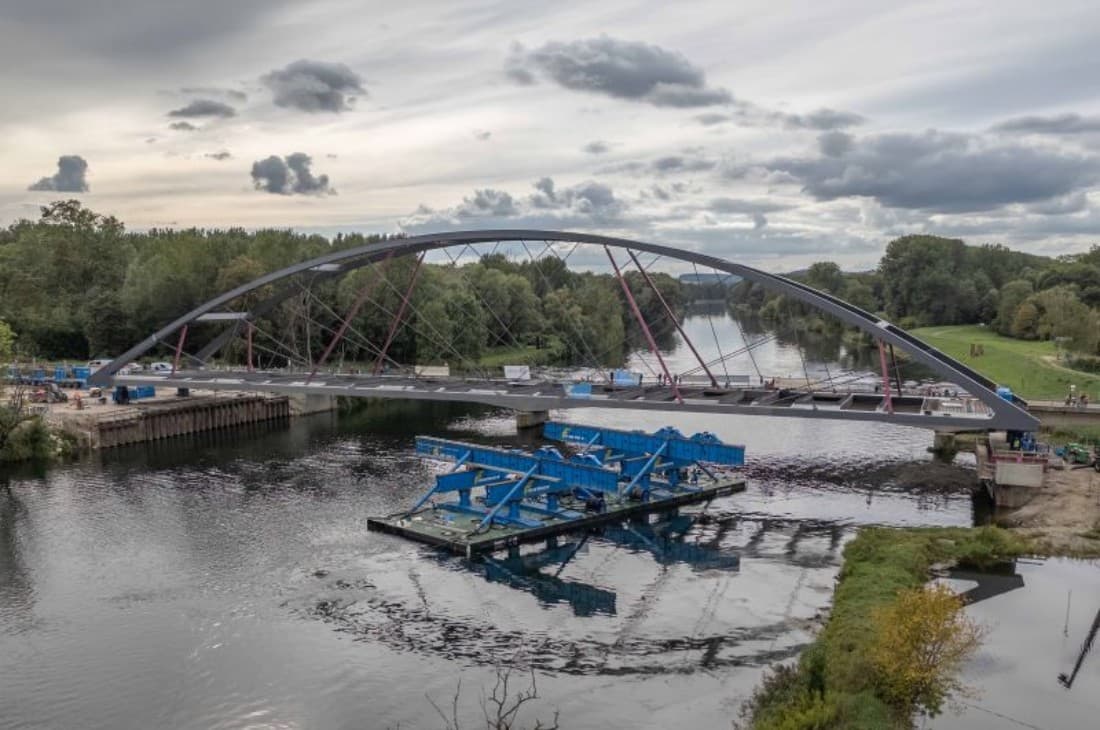
For freight forwarders and logistics professionals involved in heavy lift and project cargo for civil engineering projects, this trend signifies several impacts. Enhanced project planning and risk management through AI could lead to more predictable timelines and fewer unexpected delays, improving scheduling for specialized transport. Better safety protocols might also reduce incidents that could affect cargo handling or site access. While not directly impacting freight rates or capacity, the overall efficiency gains in large-scale infrastructure projects could indirectly streamline the demand for heavy-lift services.